Your First Bartending Shift: The Survival Kit
The practical, checklist-driven guide new bartenders need before clocking in
A hands-on 35-page guide covering everything new and newly certified bartenders need to know before their first shift: what to bring, pre-shift setup, the top 25 drinks you'll actually be asked for, ticket flow, responsible service, money handling, and a 30-day growth plan.
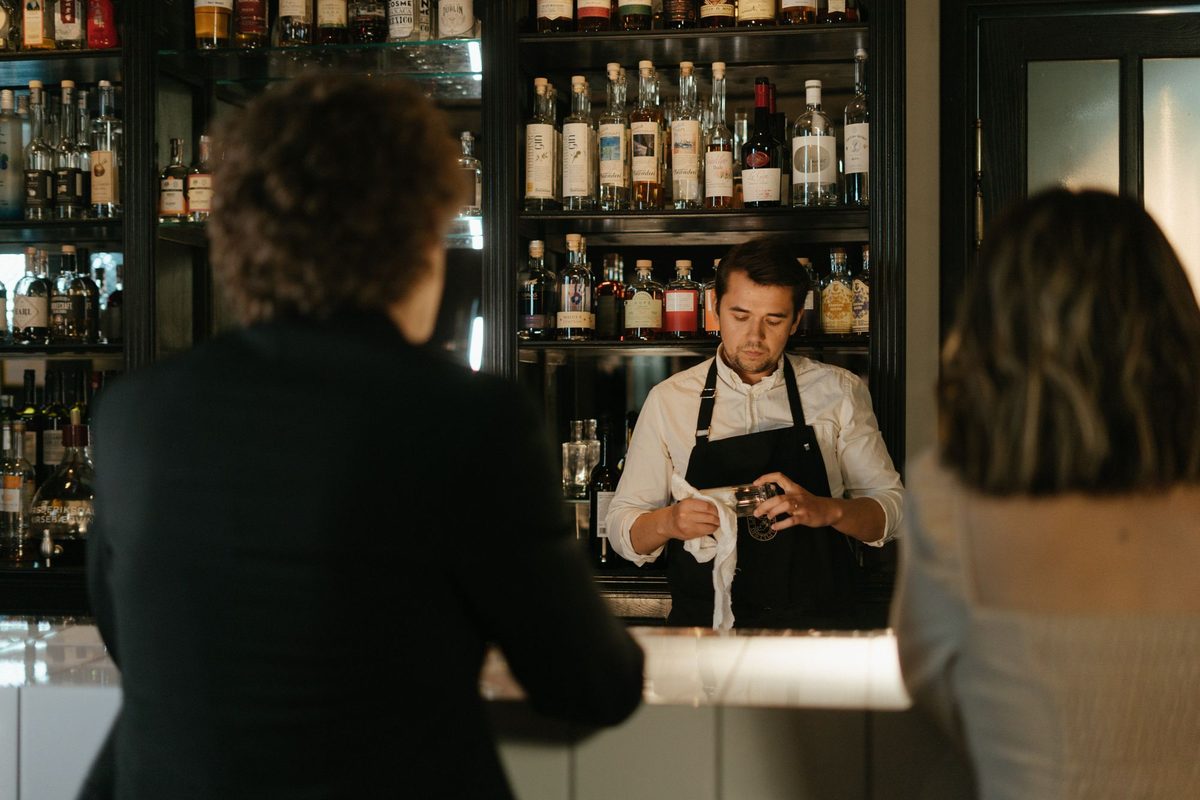
Free Guide
Your First Bartending Shift: The Survival Kit
35 pages
Inside This Guide
- The top 25 drinks you'll actually be asked for, with quick specs
- A complete pre-shift mise en place checklist
- Ticket flow strategies for building multiple drinks at speed
- Responsible service basics: checking IDs and spotting intoxication
- A day-by-day first-30-days growth plan
Table of Contents
- 1 The Week Before Your First Shift
- 2 What to Bring: Your Personal Bar Kit
- 3 Pre-Shift Setup: Your Mise en Place Checklist
- 4 The Top 25 Drinks You Will Actually Be Asked For
- 5 Ticket Flow and Speed: Working the Well
- 6 Responsible Service, Money Handling, and Tips
- 7 Handling Mistakes, Difficult Guests, and Closing Duties
- 8 Your First 30 Days: A Growth Plan
Sample Pages
35
Pages
Format
Free
Download
Get Your Free Guide
Enter your details below to download "Your First Bartending Shift: The Survival Kit"
Key Takeaways
- New bartenders should learn the menu, bar layout, and POS system in the week before their first shift, not on it.
- A consistent pre-shift mise en place checklist - ice, garnish, glassware, well stock, mixers, station, POS - prevents most first-shift mistakes.
- About 25 core drinks (stirred classics, shaken classics, and simple highballs) account for the large majority of orders at most bars.
- Most states require formal alcohol server training, such as California's RBS certification, before a bartender can legally serve.
- Real speed behind the bar typically develops over several months of consistent shifts, not in the first week.
Frequently Asked Questions
What should I bring to my first bartending shift?
How long does it take to get fast behind the bar?
What are the most important drinks for a new bartender to know?
Do I need certification before my first bartending shift?
Ready for Hands-On Training?
Learn essential bartending skills, cocktail recipes, and bar operations in our comprehensive program.
Program Length
2 weeks
35+ Locations
Nationwide
Certification
Upon completion
Job Placement
Assistance included
96%
Job placement rate
Also Popular
Check out these other free guides to boost your bartending knowledge
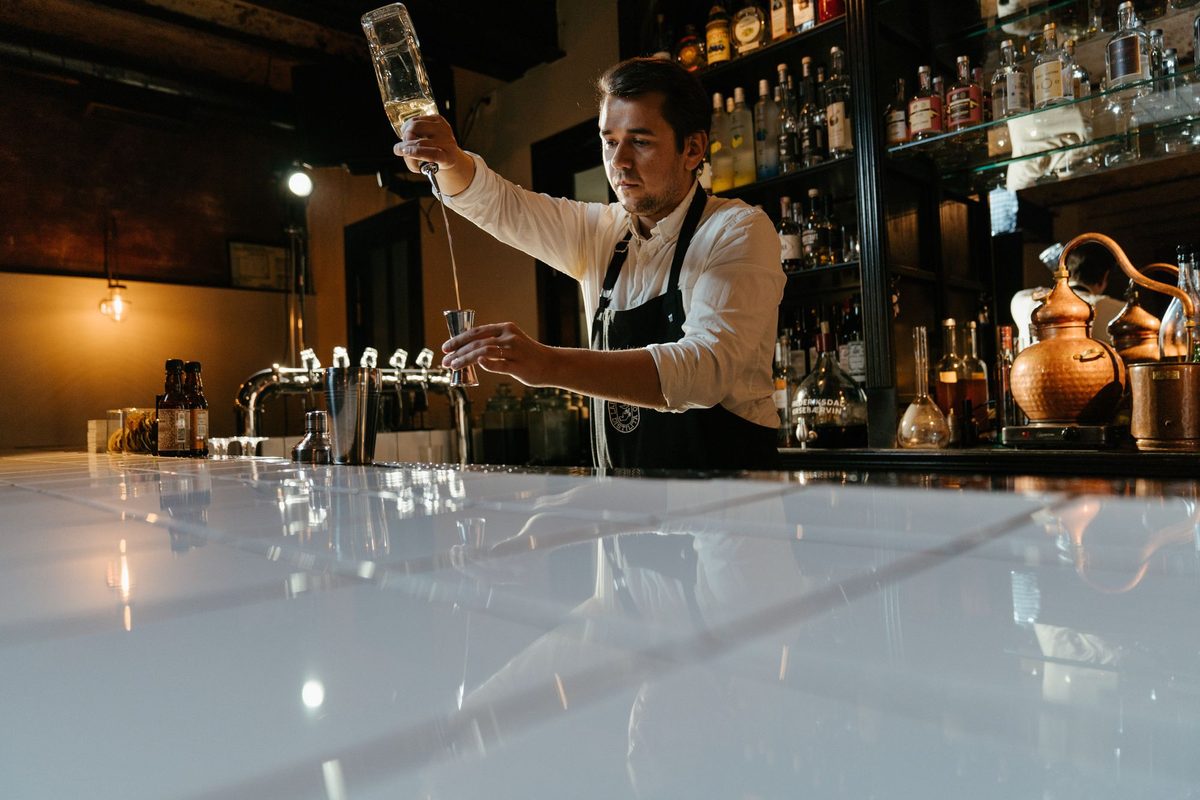
Bartending License & Certification Guide (2026)
What you actually need to legally pour drinks in every state
A clear, state-by-state breakdown of mandatory alcohol server permits versus voluntary certifications like TIPS and ServSafe Alcohol, with a full step-by-step California RBS deep dive.

2026 Cocktail Trends Every Bartender Should Know
The techniques, spirits, and menu formats defining bars this year
A practical 27-page guide to the biggest cocktail trends of 2025-2026, from espresso martini variants and dirty martinis to clarified milk punch, agave spirits beyond tequila, and zero-waste bartending, with real specs and pour-cost math for adding trends to your menu.
Questions About Bartending?
Our admissions team is happy to answer any questions you have about our programs, schedules, and career opportunities.