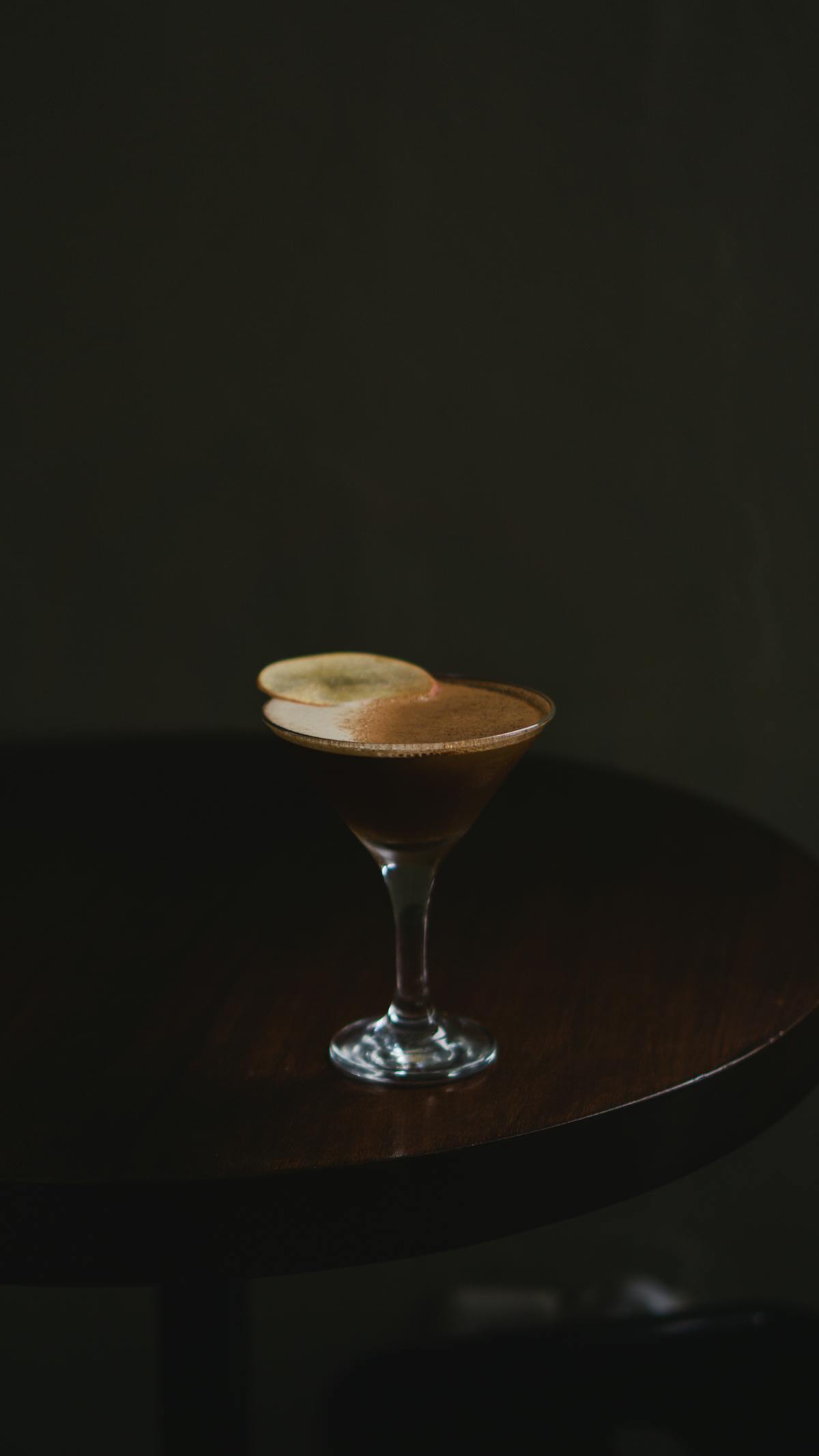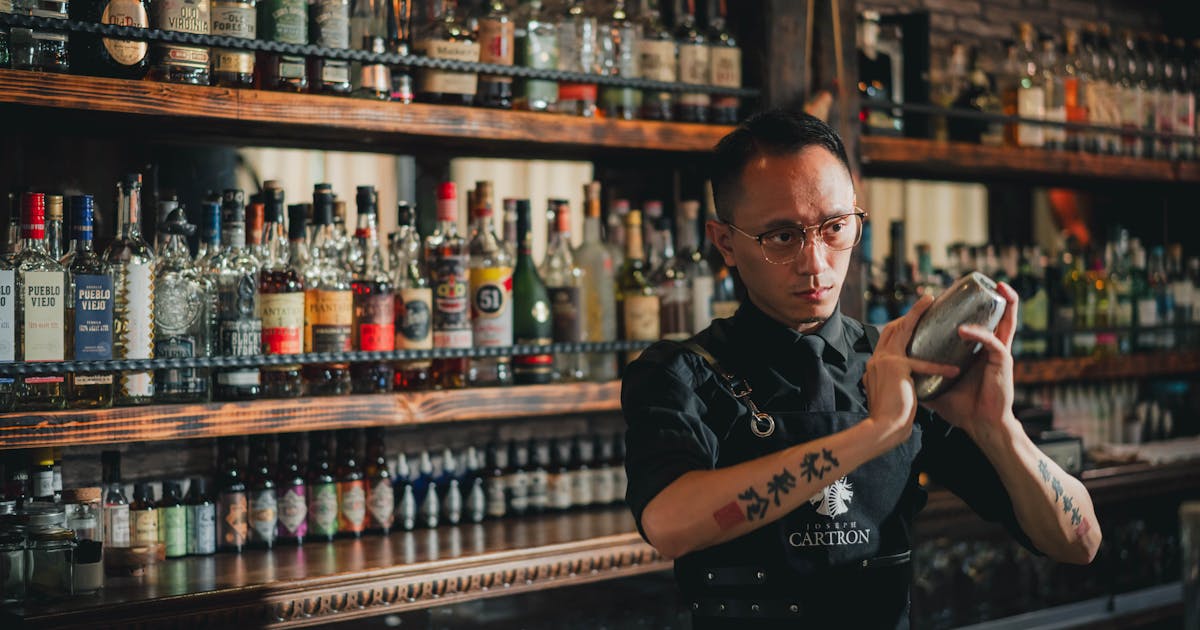
Ever wondered what your go-to cocktail order says about you? We asked 11 bartenders to spill the beans on what they can tell about a guest from their drink of choice.
How to Read Your Guests: A Bartender's Guide to Anticipating Needs
Great service looks effortless from the outside. The guest gets what they wanted before they fully articulated it. Their drink arrives at exactly the right moment. The bartender seems to intuitively understand the mood at the bar. What looks like intuition is actually a practiced set of observation skills -- skills that can be learned, developed, and applied consistently.
Reading your guests is one of the most valuable and underestimated competencies in bartending. Here is how to develop it.
What Drink Orders Reveal
Before a word is exchanged, the order itself provides information. Developing a working vocabulary of what different orders typically signal allows you to calibrate your service approach immediately.
Straightforward well orders (vodka soda, gin and tonic, rum and Coke): These guests are often regulars who know what they want, guests who are price-conscious, or people who are not particularly focused on the drink and more interested in the social environment. Service should be friendly, efficient, and unpretentious. Do not oversell complexity to someone who has communicated clearly through their order that they do not want it.
Specific brand requests ("I'll have a Hendrick's and tonic"): These guests have preferences and have done at least some thinking about their drinking. They are slightly more likely to be receptive to a recommendation if you engage briefly. Acknowledge the choice positively and move naturally.
Questions before ordering ("What do you have for whiskey?"): This is an invitation. The guest is open to guidance. This is where your knowledge of the list, your ability to ask one or two quick questions (sweet or dry? smoky or smooth?), and your confidence in making a specific recommendation pays off.
Cocktail menu requests (pointing to or asking about a specific drink): These guests are engaged and curious. They are your best audience for a brief description or a recommendation of what pairs with it.
"What do you recommend?" or "Surprise me": The highest level of trust. Take it seriously. Ask about spirit preference and flavor direction at minimum -- sweet, sour, boozy, refreshing -- and make something specific rather than defaulting to whatever is easy to make.
Quick Preference-Reading Techniques
You have limited time with each guest. A few well-placed questions at the start of an interaction tell you most of what you need to know.
The two-question approach:
- "Do you have a spirit you prefer, or are you open?"
- "Are you in the mood for something refreshing and light, or something richer and spirit-forward?"
These two questions narrow the field dramatically and make your recommendation feel tailored rather than generic.
Observe what they are eating or have ordered from the kitchen. A guest with a heavy protein dish may appreciate a drink with acid and brightness to cut through it. Someone with light, vegetable-forward food may want something herbal or delicate.
Note the time and occasion. First drink of the evening, early session -- guests often want something lighter and more approachable. Later in the evening, familiar categories feel safer. Group celebrations call for things that look impressive and are easy to explain.
Reading Body Language
Non-verbal cues are consistent and useful once you learn to pay attention.
Engaged guests: Making eye contact, leaning toward the bar, open posture. These guests are interested in interaction and are often receptive to conversation, recommendations, and a slightly more engaged service style.
Distracted or private guests: Avoiding eye contact, focused on phone or a companion, turned slightly away from the bar. These guests want efficient, invisible service -- take the order, execute well, deliver promptly, and give them space. Over-engagement is annoying to this type of guest.
Anxious or uncertain guests: Looking around, menu open for a long time, making and changing their choice. These guests respond well to a warm, specific recommendation delivered confidently. Decisiveness from you reduces their decision fatigue.
Impatient guests: Scanning the bar repeatedly, craning their neck, holding up a hand. Acknowledge them immediately even if you cannot serve them yet. "I'll be right with you" delivered with eye contact and a genuine tone defuses most impatience.
Adapting Your Service Style
The most effective bartenders have a range of service modes and shift between them naturally.
- High-energy, social mode: For groups celebrating, guests who are visibly enjoying themselves, and moments when the bar energy calls for matching enthusiasm
- Efficient professional mode: For high-volume moments, impatient guests, or simple orders that require accuracy more than interaction
- Expert guide mode: For guests who are curious, asking questions, or ordering something unfamiliar -- slower, more informative, more engaged
- Warm and quiet mode: For solo guests who may be at the bar for company without wanting heavy conversation
The service mode should match the guest, not your default personality. Consistency in quality -- not in style -- is the goal.
Building Muscle Memory for Reading People
Like all hospitality skills, reading guests improves with deliberate practice. After each shift, reflect briefly: which guests did you read correctly from the start? Which surprised you? Where did you default to a service style that did not match what the guest actually needed?
Over time, patterns become obvious and your ability to calibrate quickly -- in the first 20 seconds of an interaction -- becomes a genuine competitive advantage.
At ABC Bartending College, we teach the full spectrum of professional bartending -- from technique and recipes to the service skills that define a truly excellent hospitality career. Find a location near you and start developing the skills that set great bartenders apart.