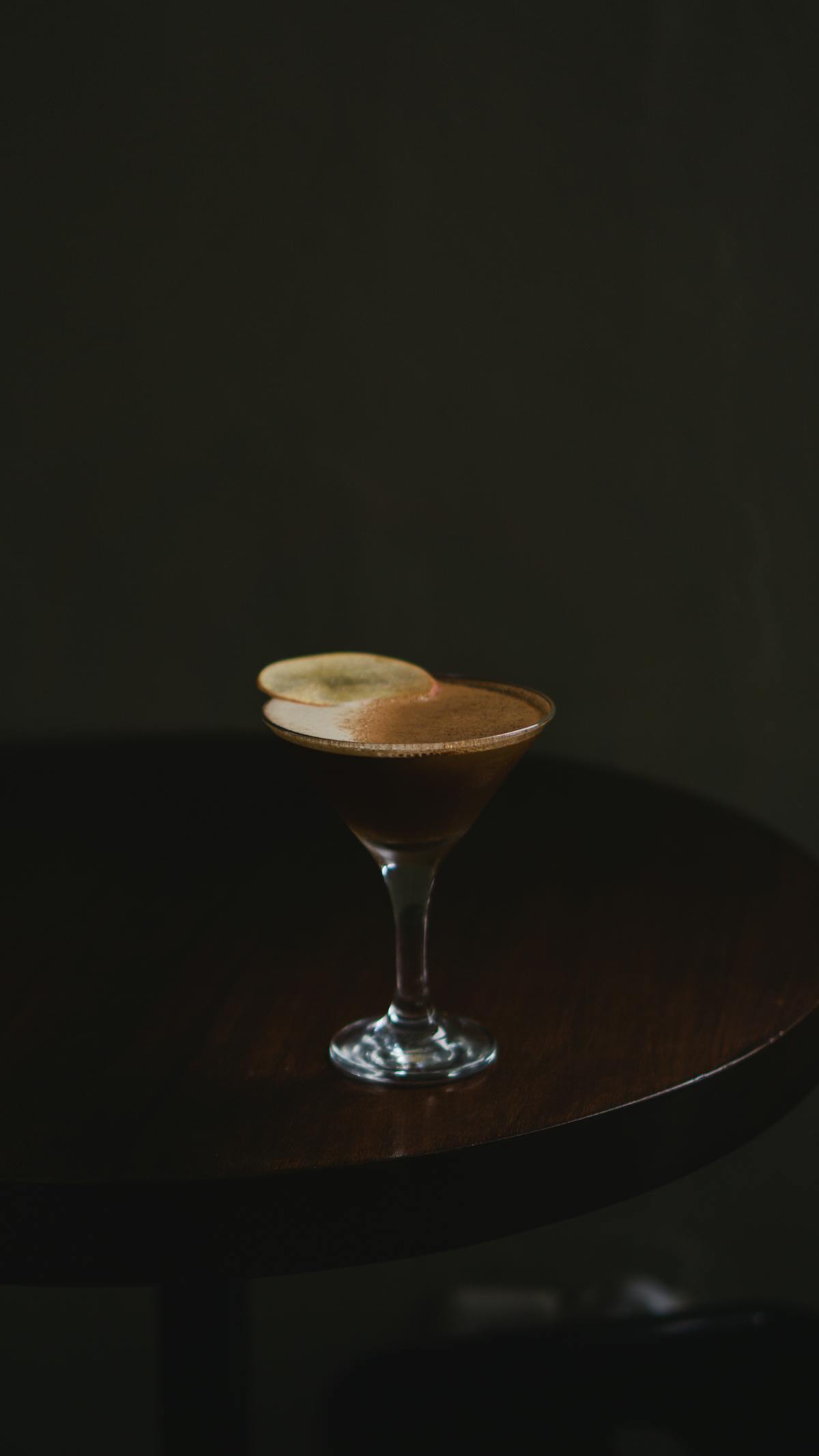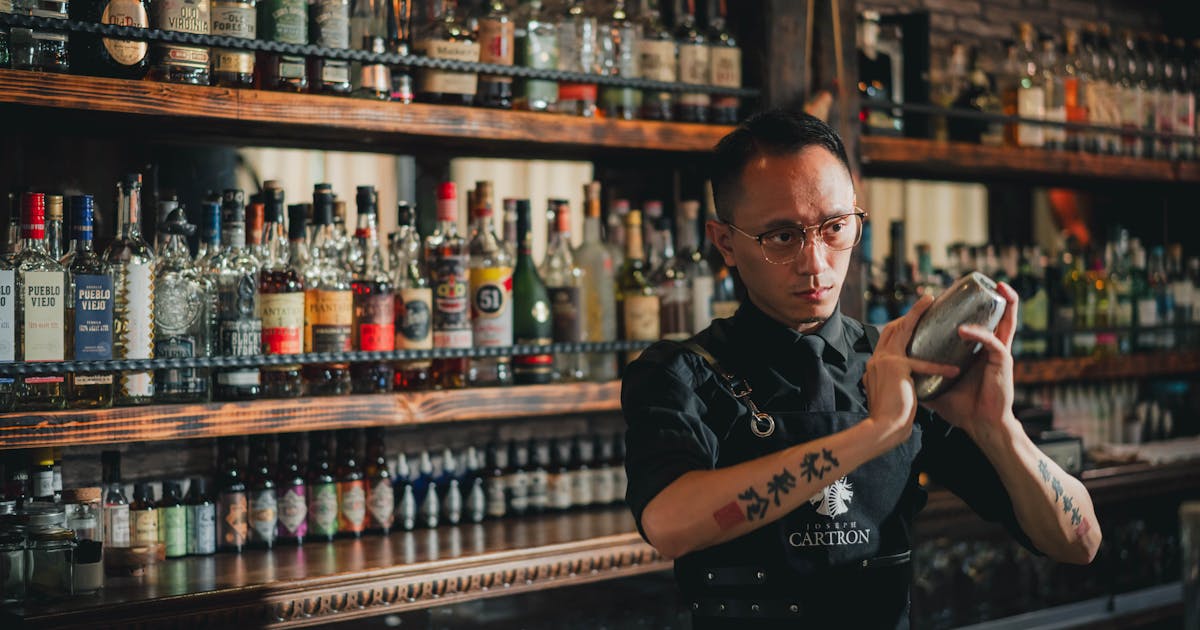
Get ready to shake (and stir) things up with our guide to Olympic-inspired cocktails, expertly paired with each winter sport.
The Business Case for Event-Driven Cocktail Menus
Every major holiday, sporting event, or cultural moment is an opportunity for a bar to drive revenue, create buzz, and give regulars a reason to come in. Themed cocktail menus are one of the most effective promotional tools available -- they are low cost to produce, easy to market on social media, and they give your bar a distinct personality that guests remember.
If you are a bartender looking to move into a leadership role, knowing how to build and execute a themed menu is a skill that will make you indispensable to any operator. Here is how to approach it from strategy to execution.
Start with the Event Calendar
The best themed menus come from planning, not panic. At the beginning of each quarter, map out the major events that are relevant to your bar's audience:
Sports Events
- The Super Bowl, NBA Finals, World Series, Stanley Cup Playoffs
- Major international events like the Olympics, the World Cup, or Grand Slam tennis
- Local team playoff runs (these drive huge neighborhood bar traffic)
Holidays and Seasons
- New Year's Eve and New Year's Day (separate opportunities)
- Valentine's Day, St. Patrick's Day, Cinco de Mayo, Halloween, Thanksgiving Eve
- Seasonal transitions like an end-of-summer send-off, a first-snow celebration, or a spring rosé kickoff
Local and Cultural Moments
- City festivals, music events, art walks
- Neighborhood anniversaries or local college events
- Food and drink weeks that align with your market
For each event, ask: does this align with our concept and clientele? A craft cocktail bar might not need a St. Patrick's Day menu, but a neighborhood tavern absolutely does.
Designing the Menu
Keep it tight. A themed menu with 2 to 4 featured cocktails is more compelling than a full page of theme-named drinks. Guests can absorb a short list quickly, and you reduce prep complexity for your team.
Use thematic naming strategically. Names should be fun and evocative without being confusing. The best themed names hint at flavor without completely obscuring it -- guests still want to know what they are ordering.
Anchor to spirit categories your bar does well. Do not design a mezcal-forward menu if your bar barely stocks agave spirits. Play to your strengths and your inventory.
Layer the theme across the full experience. If you are building an Olympics-themed menu, consider how garnishes, glassware, and even names can reference international regions -- a Japanese whisky highball, a French 75 variation, a Jamaican rum punch. The detail is in the connections, not just the names.
Pricing the Themed Menu
Specialty event cocktails should be priced at a slight premium over your standard cocktail range -- typically $1 to $3 above your average ticket price. Guests expect it, and it reflects the additional effort.
Pre-batch where possible. The biggest revenue loss on a themed night is slow ticket times. Any cocktail that can be pre-batched should be. Build your cocktails so that:
- The spirit and liqueur components are pre-combined
- Fresh juice is squeezed in the afternoon
- Garnishes are prepped and staged
A cocktail that takes 90 seconds to make normally should take 30 seconds on a busy event night.
Marketing the Menu
Start 7 to 10 days out. Social media posts, email newsletters, and table tents should go up before the event, not the morning of.
Photograph a hero image. One great photo of the lead cocktail -- well lit, on a clean background with a relevant prop -- is worth 10 average photos. This is your promotional anchor for all channels.
Train your staff. Every person on the floor should be able to describe each themed cocktail in one sentence. Run a quick tasting with the team before the event shift.
Create a takeaway. A printed menu card, a simple QR code linking to a digital menu, or even a chalkboard description keeps guests engaged and increases order frequency.
Execution Night: What Separates a Good Event from a Great One
The menu is only as good as the execution. On the night itself:
- Set your station before doors open. All pre-batched components should be labeled, chilled, and positioned before the first guest arrives.
- Have a backup plan for ingredients. If a key garnish or spirit runs low, know the substitute in advance.
- Track what sells. Keep a tally of which themed cocktails move. This data shapes every future event menu.
- Engage guests in the theme. A bartender who can speak to the story behind each drink creates a connection that a menu card alone cannot.
A Note on the Olympics Example
Major international sporting events like the Olympics are a perfect laboratory for a globally-themed cocktail menu. Each participating region brings distinct spirits, flavors, and traditions. A Japanese whisky highball, a pisco sour, a dark-and-stormy, an Aperol spritz -- all are legitimate, crowd-pleasing drinks with a geographic connection. You do not need to invent elaborate novelty cocktails. You need to curate well and tell a story.
Build This Skill at ABC Bartending College
Creating themed menus is a craft that blends bartending technique with marketing instinct and operational thinking. At ABC Bartending College, our programs give you the foundational bar skills that make creative menu work possible -- and the professional context to understand how great bars actually run. Find a location near you and start building the career you want.