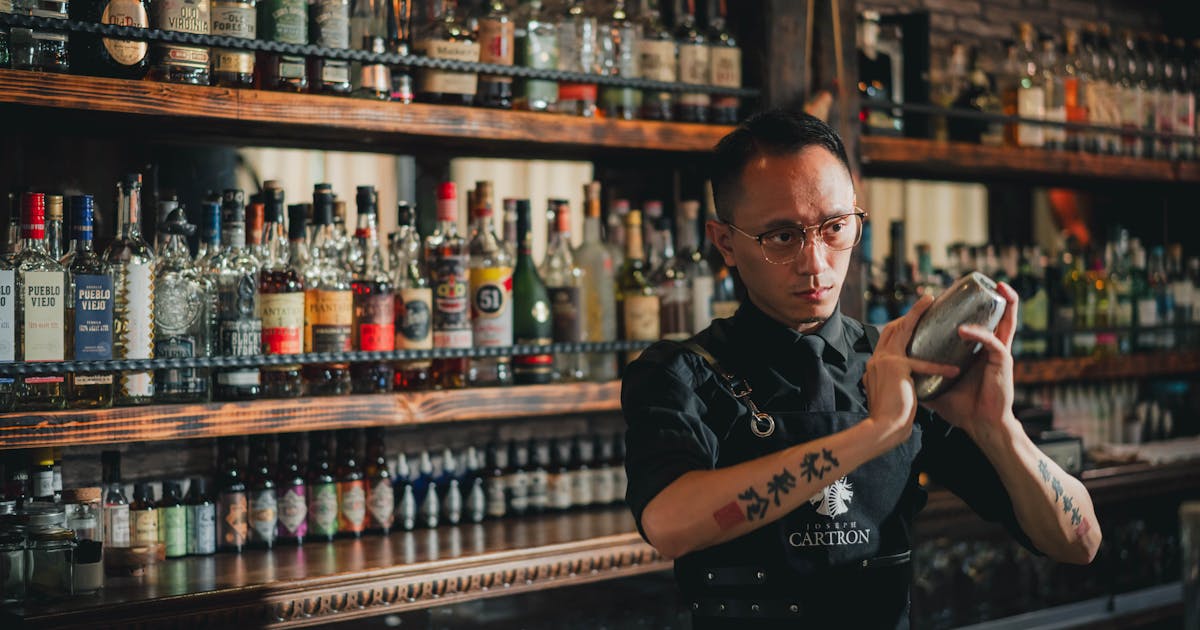
Learn about the unsung heroes of the bartending world and the skills required to succeed in high-energy club environments.
Nightclub Bartending Is a Different Game
Working a busy cocktail bar on a Saturday night is one thing. Working a 1,500-person nightclub with a four-deep queue and music that makes verbal orders impossible is something else entirely. High-volume bartending demands a specific set of skills, a different physical approach, and a mindset built around speed without sacrificing safety.
If you are considering club bartending -- or if you want to take your existing skills to a higher-intensity environment -- this guide covers what you need to know before you step behind that rail.
Station Setup: Build Your Workspace for Speed
In high-volume environments, your station setup can make the difference between a productive shift and a chaotic one. The principle is simple: everything you reach for most often should be in the closest position.
Ice should be within arm's reach at all times. A well-stocked ice bin centered in your station means you never have to turn your back to guests to build a drink.
Organize your speed rail by frequency of use. The spirits you pour most -- well vodka, rum, gin -- belong in the front positions. Premium spirits go behind. You should be able to reach your well without looking.
Pre-set glassware. Line up glasses in sets before your shift starts. Rocks glasses, highball glasses, and shot glasses should all be staged and accessible without hunting.
Keep your garnish tray clean and clearly organized. In a dark club environment, reaching into the wrong garnish tray is a common and avoidable mistake.
Label everything. In multi-bartender stations, clear labels on bottle placement prevent mix-ups, especially as the shift gets louder and faster.
Batching for Volume Nights
Pre-batching is not cheating -- it is professional preparation. For high-volume nights, pre-batching your most popular cocktails is standard practice at well-run venues.
What to batch: Cocktails with multiple components that do not require fresh modification per drink. Margarita mixes, sour mixes, and spirit-and-liqueur combinations are ideal candidates.
What not to batch: Cocktails that rely on carbonation (add soda water per drink), fresh egg white (the texture degrades), or drinks that need to be individually measured for ABV reasons.
Label all batches clearly with the contents, the date and time they were made, and the yield. Most batched cocktails should be consumed within the same shift.
Portioning: Pre-batch into quantities you can easily pour from -- squeeze bottles, labeled decanters, or speed pourers on pitchers. A consistent pour from a batch vessel is faster and more accurate than individual measurements under pressure.
Queue Management
Managing a line is a social skill as much as a service skill. In a packed venue, how you handle the queue affects your tips, guest satisfaction, and your own stress level.
- Make eye contact. Acknowledge guests who are waiting with a nod or a brief "I'll be right with you." Being seen reduces frustration.
- Work in order. Regulars and persistent guests will try to cut the queue. Politely but firmly work in order -- other guests are watching.
- Take multiple orders simultaneously. Read the group next in line, take two or three orders at once, and build them together.
- Keep the bar clear. Empty glasses and trash on the bar slow you down. Push empties to the edge or drop them in the bin between orders.
Flair Basics: When to Add Showmanship
Flair bartending -- the performance side of bar work involving bottle tosses, spins, and visual flourishes -- is a legitimate skill category that belongs in the high-volume conversation, even if you never plan to compete.
At the fundamental level, basic flair includes clean bottle presentation, confident pouring technique, and working with energy and presence. These elements increase perceived value and guest engagement without requiring you to toss a bottle behind your back.
If flair competition is an interest, start with basic bottle spins and tin flips in practice before introducing them behind a live bar. Safety and speed always come before performance.
Handling Intoxicated Patrons
Club environments are where over-service incidents are most likely to occur. Every bartender working high-volume venues needs a clear, practiced approach.
- Know the signs: Slurred speech, loss of balance, escalating aggression, glassy eyes, and repeating themselves.
- Slow service first. If you are uncertain, slow down. Delay the next round by focusing on other guests. A few minutes can clarify the situation.
- Refuse service clearly and calmly. Saying you cannot serve someone any more tonight is a complete statement. Do not argue, explain at length, or apologize excessively.
- Involve a manager or security. If a refusal escalates, call for backup immediately. This is not failure -- it is proper protocol.
- Document serious incidents. In venues with incident logs, record any service refusals or escalations.
Physical Stamina
Club bartending is physically demanding in a way that casual bar work is not. Eight to ten hours on a hard floor, with constant movement, heavy lifting, and sensory overload, takes a real toll.
- Wear professional footwear. Anti-fatigue, slip-resistant bar shoes are not optional in a high-volume setting.
- Stay hydrated. Club environments are hot. Drink water consistently throughout your shift.
- Build up gradually. If you are new to club work, seek out smaller high-volume venues before moving to major clubs.
Career Path Comparison
High-volume club bartending offers excellent earning potential through tips on busy nights, but the career arc differs from other bar paths:
- Craft cocktail bars reward technical depth, creativity, and beverage knowledge -- and typically offer lower volume but higher per-drink engagement.
- Restaurant bars balance food-and-beverage service, with more varied hours and guest types.
- Nightclub bars reward speed, stamina, people management, and showmanship -- with the highest tip potential on volume nights.
Many bartenders move between these environments across their careers. Building strong fundamentals means you can succeed in all of them.
Start Your Bar Career with a Strong Foundation
Whether your goal is club work, craft cocktails, or anything in between, every great bartender starts with the same foundation: proper technique, product knowledge, and professional habits. At ABC Bartending College, our programs prepare you for real bar environments -- including the fast ones. Find a location near you and get started.