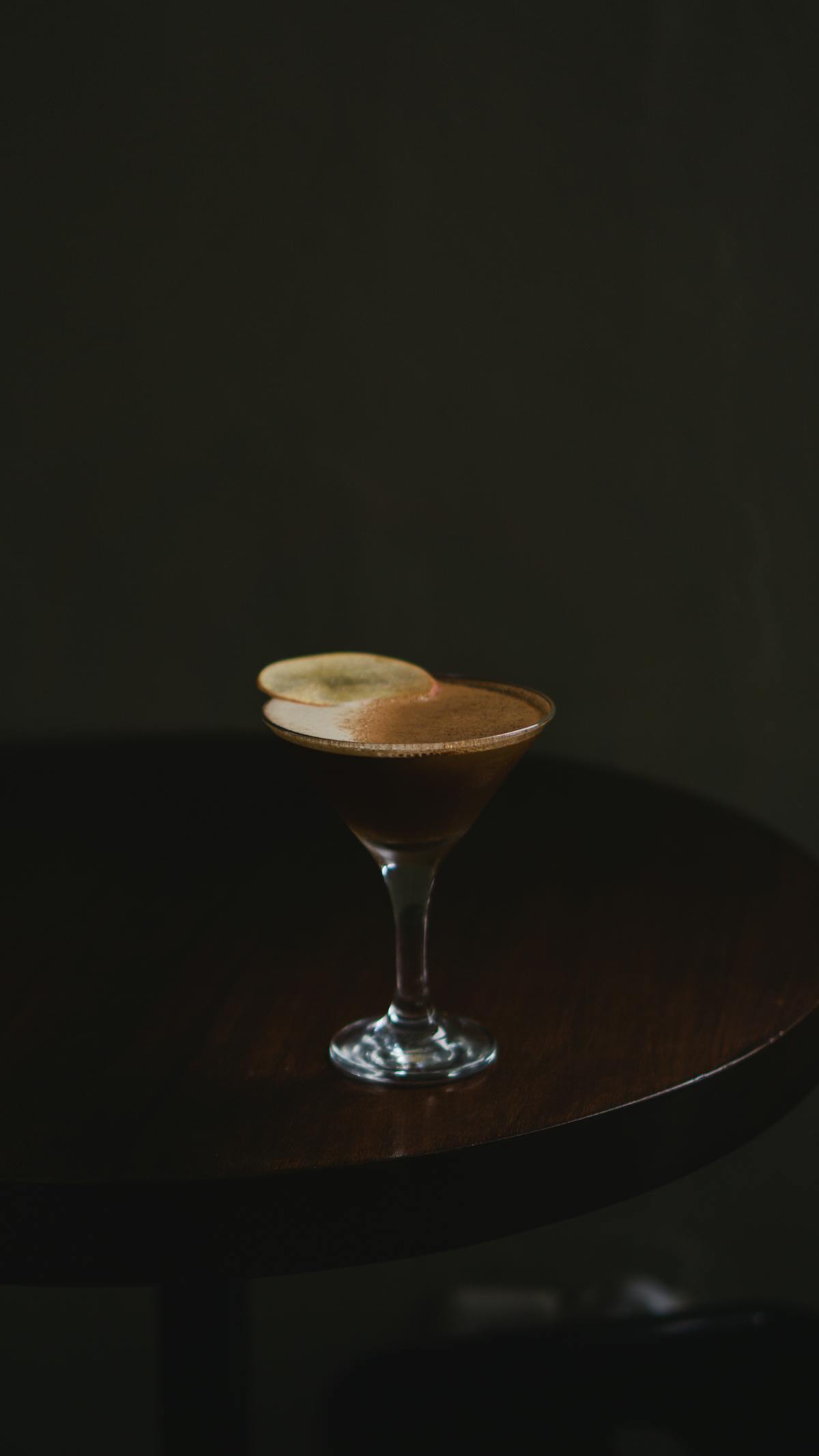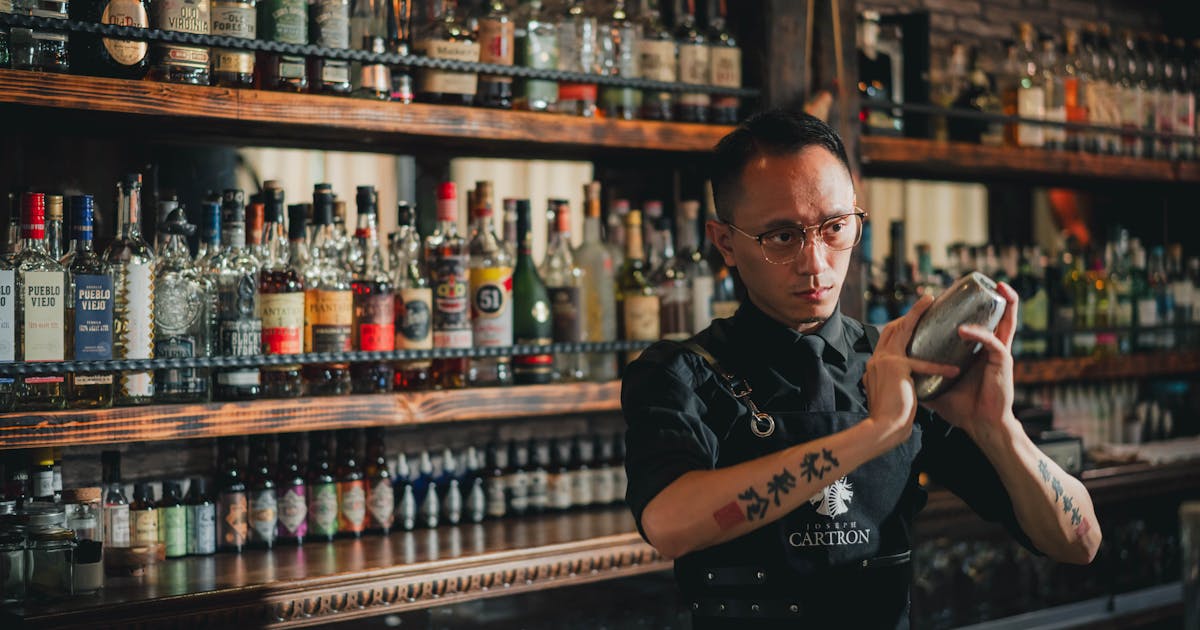
Discover the inspiration behind a unique clam chowder-inspired Martini and learn how bartenders can experiment with savory flavors in their own creations.
Culinary Cocktails: How Kitchen Techniques Are Transforming the Bar
The wall between the kitchen and the bar has been coming down for years, and today's most compelling drinks programs are built on the same technical foundation as fine dining. Sous vide infusions, dehydrated garnishes, fat washes, and fermented syrups are no longer novelties -- they are skills that serious bartenders are expected to understand.
For students entering the bar industry, learning the intersection of food and cocktails is not just about creativity. It is about expanding your toolkit so you can work in modern, high-end environments where culinary technique is part of the job description.
Sous Vide Infusions: Precision Flavor Extraction
Traditional infusions rely on time and temperature to extract flavor from botanicals, fruits, or spices into a base spirit. Sous vide accelerates and refines that process.
By sealing ingredients in a vacuum bag with your spirit and submerging it in a temperature-controlled water bath, you get:
- Faster extraction: What might take a week at room temperature can happen in one to four hours under controlled heat
- More consistent results: The sealed environment prevents oxidation and evaporation
- Nuanced flavor profiles: Lower temperatures preserve delicate aromatics that would be cooked off by higher heat
A classic application is a sous vide fat wash -- combining butter, bacon fat, or coconut cream with spirits to add richness, then freezing and straining out the solidified fat. The result is a spirit with mouthfeel and savory depth that cannot be achieved any other way.
Practical starting points:
- Jalapeno tequila: 135 degrees F for 30-45 minutes
- Cinnamon bourbon: 140 degrees F for 1-2 hours
- Rosemary gin: 130 degrees F for 45 minutes
Always start with small test batches and document your process. Consistency is the goal.
Dehydrated Garnishes: Flavor, Texture, and Visual Impact
Dehydrated citrus wheels, herb chips, and fruit leathers have become standard in craft cocktail programs. A dehydrator (or even a low oven) transforms ordinary produce into shelf-stable, concentrated garnishes that add:
- Intensified flavor: Dehydration concentrates natural sugars and aromatics
- Texture contrast: A crisp dehydrated lime wheel on a frozen drink creates an interesting textural moment
- Extended shelf life: Prepared in advance, stored properly, they last weeks
- Professional presentation: Visual impact communicates care and craft to the guest
Beyond citrus, consider dehydrating cucumber ribbons for gin drinks, pineapple chips for tropical cocktails, and thin apple slices for whiskey-based preparations. A light dusting of chili salt or activated charcoal can add another dimension.
Savory Syrups and Shrubs
Flavored syrups have always been a bartender's tool. What has changed is the palette. Culinary-inspired bartenders now reach for:
Savory syrups: Roasted corn, black pepper, mushroom, and miso-caramel syrups bring umami and depth to cocktails. Technique: simmer the ingredient in equal parts sugar and water, steep, strain, and store refrigerated for up to two weeks.
Shrubs (drinking vinegars): A shrub combines fruit or vegetables, sugar, and vinegar to create a tangy, acidic syrup. They bring brightness and complexity in place of -- or alongside -- citrus. Cold-process shrubs (macerate fruit in sugar, add vinegar after straining) preserve fresher fruit character. Hot-process shrubs cook faster but can taste more jammy.
A basic shrub ratio: 1 cup fruit + 1 cup sugar + 1 cup vinegar. Adjust ratios to taste.
Kitchen Staples Behind the Bar
Once you start thinking like a culinary bartender, the kitchen becomes a pantry.
Fresh herbs: Muddled, infused, or used as garnish. Tarragon with gin, basil with vodka or tequila, and rosemary with whiskey are established pairings worth mastering.
Spices: Toasting and grinding whole spices (cardamom, star anise, cumin) and incorporating them into syrups or rims adds complexity. A coriander-honey syrup or a smoked paprika salt rim changes the entire character of a drink.
Vegetables: Cucumber, beet, carrot, and tomato all have serious cocktail applications. Beet juice adds color and earthy sweetness. Cucumber brings green freshness. Carrot juice, when properly sweetened, bridges tropical and savory flavor profiles.
Acids: Citric acid, tartaric acid, and malic acid allow bartenders to fine-tune the acidity of a cocktail without adding liquid volume from juice. This is a technique borrowed directly from the kitchen.
The Mindset Shift
The key to culinary cocktails is not just technique -- it is curiosity. The bartenders who build the most interesting menus are the ones who eat adventurously, cook for themselves, visit good restaurants with attention, and constantly ask: could this work in a glass?
Building fluency with kitchen technique makes you more versatile, more creative, and more valuable to any bar program that takes its craft seriously.
At ABC Bartending College, we teach foundational techniques alongside the modern skills that today's top programs demand. If you are ready to develop a professional toolkit that goes beyond the basics, find the program nearest you and get started.