Discover how Irish pubs are redefining themselves with creative cocktails, menus, and atmospheres, and what this means for aspiring bartenders.
The Rise of the Concept Bar
Walk into any serious cocktail bar today and you will notice something beyond the drinks menu: a point of view. Modern bars are increasingly built around a cultural identity — a specific region, spirit tradition, historical period, or culinary philosophy. For bartenders, this shift represents both a challenge and an opportunity.
The challenge: guests come in with questions, and surface-level answers no longer satisfy them.
The opportunity: bartenders who invest in genuine cultural knowledge become invaluable to the venues they work for — and far more interesting to guests.
What Makes a Bar Concept-Driven
A concept-driven bar organizes its menu, aesthetics, spirit selection, and service style around a coherent theme. This might mean:
- A bar devoted to Irish whiskey and the broader traditions of Irish pub culture
- A Japanese whisky bar that reflects the aesthetic principles of Japanese hospitality
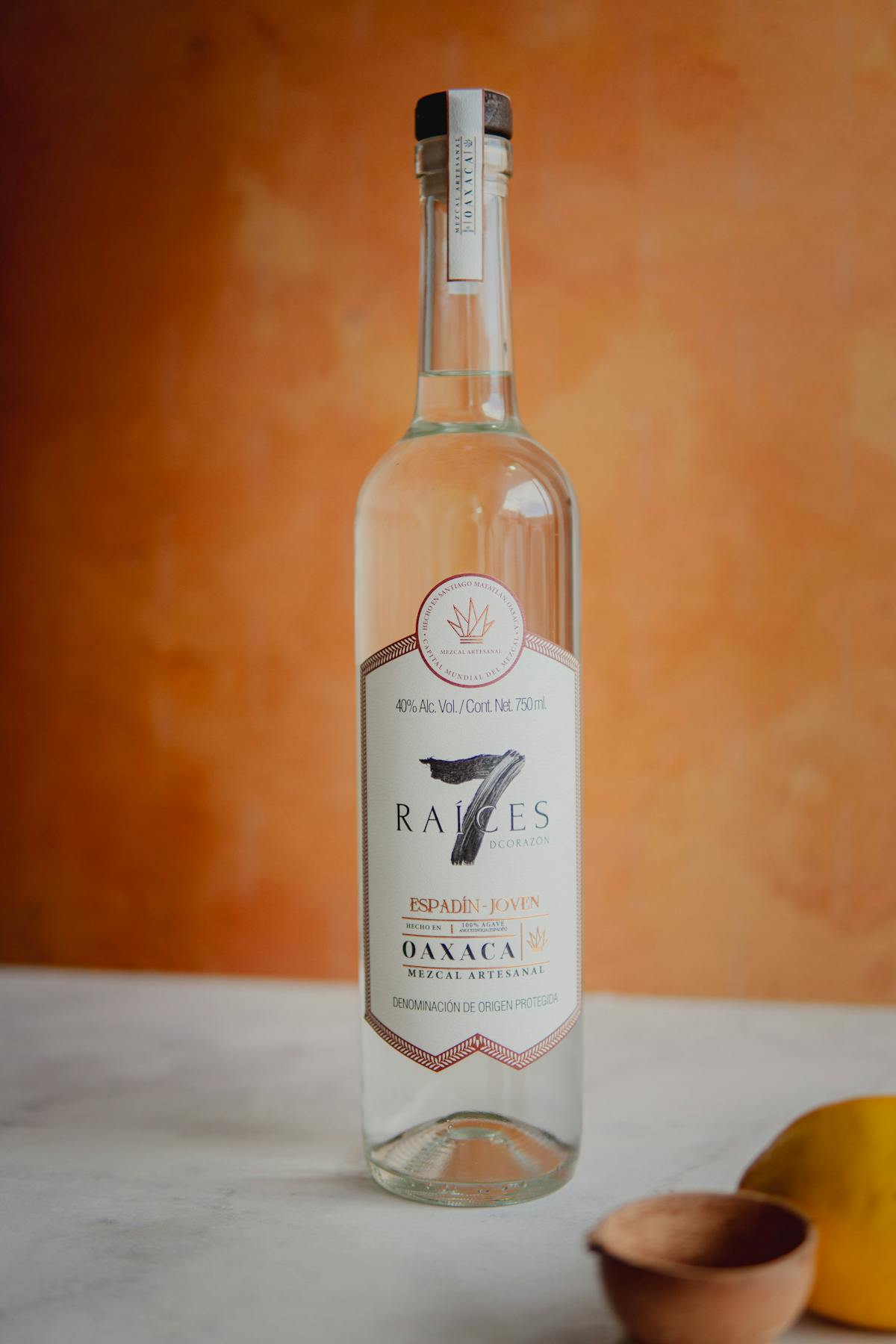
- A mezcal-focused venue built around the indigenous traditions of Oaxacan production
- A bar celebrating the cocktail culture of a specific city or era
In each case, the bartenders are not just pouring drinks. They are acting as guides — educators who help guests understand what they are experiencing and why it matters.
Researching a Bar's Cultural Roots
Before you can speak knowledgeably to guests, you need to do the work. Here is a practical approach to building cultural knowledge around any concept:
Start with the spirit's history. Understand where it comes from, who makes it, and how production methods have evolved. Irish whiskey, for example, has a distinct triple-distillation tradition that produces a lighter, smoother profile than Scotch. Knowing this allows you to explain flavor differences without relying on vague descriptors.
Learn the regional context. Spirits are products of their environment. The peat bogs of Islay shape Scotch in ways that the limestone-filtered water of Kentucky shapes bourbon. Mezcal is inseparable from the agave species and the communities that cultivate them. These details are not trivia — they are the story guests want to hear.
Understand the cultural practices. How is the spirit traditionally consumed? Irish whiskey has a pub culture built around community and conversation. Japanese whisky is often served as a Highball — a long, carbonated drink served with precision and ceremony. Mezcal is frequently sipped neat, respected rather than rushed. Matching your service style to these traditions adds authenticity.
Study the cocktail history. Which classic cocktails center on this spirit? What was the historical moment that elevated it? The Irish Coffee's origin at a Shannon airport in the 1940s is a story guests love. The role of Japanese bartenders in refining dilution and stirring technique is a piece of cocktail history that surprises people who thought they already knew everything.
Key Spirit Categories and What to Know
Irish Whiskey
Triple-distilled pot still whiskey is Ireland's signature style — smooth, with notes of green apple, vanilla, and light spice. Single pot still expressions use a mix of malted and unmalted barley, giving them a distinctive creaminess. Poitín (also spelled poteen) is Ireland's unaged grain spirit, historically illicit, now experiencing a craft revival. It is earthy, raw, and surprisingly versatile in cocktails.
Japanese Whisky
Built on Scottish foundations but refined through Japanese craftsmanship, Japanese whisky tends toward elegance and subtlety. Notes of dried fruit, light smoke, and florals are common. The Highball — whisky, soda water, and ice — is the definitive Japanese whisky serve and requires more technique than it appears: the right carbonation, the right ice, the right pour.
Mezcal
Made from agave plants (not just blue agave as with tequila), mezcal encompasses dozens of species and production styles. Smoke from roasting the piña in underground pits is a hallmark of many expressions, though intensity varies widely. Terroir is a legitimate concept in mezcal — the same agave species grown in different regions produces noticeably different spirits.
Practical Conversation Skills
Knowing your material is only half the equation. Translating it into natural bar conversation is the other half.
- Ask before you inform. "Are you familiar with Irish whiskey at all?" opens a conversation. Launching into a lecture without invitation closes one.
- Match depth to interest. Some guests want a two-sentence overview. Others want the full story. Read the signals and adjust.
- Use comparisons generously. "This is similar to bourbon in its sweetness, but lighter and fruitier" is more useful than technical production detail for most guests.
- Be honest about what you don't know. Saying "I'd have to look that up" is far better than guessing. Guests respect honesty.
Become the Bartender Every Concept Bar Wants to Hire
Concept-driven venues are growing, and they are actively looking for bartenders with genuine knowledge — not just technique. The combination of craft skill and cultural fluency makes you the kind of hire that owners remember.
At ABC Bartending College, we build that foundation. Our programs cover spirit history, cultural context, classic and contemporary techniques, and the guest communication skills that set professionals apart. With locations nationwide, we are ready to help you build a career worth talking about. Reach out today.