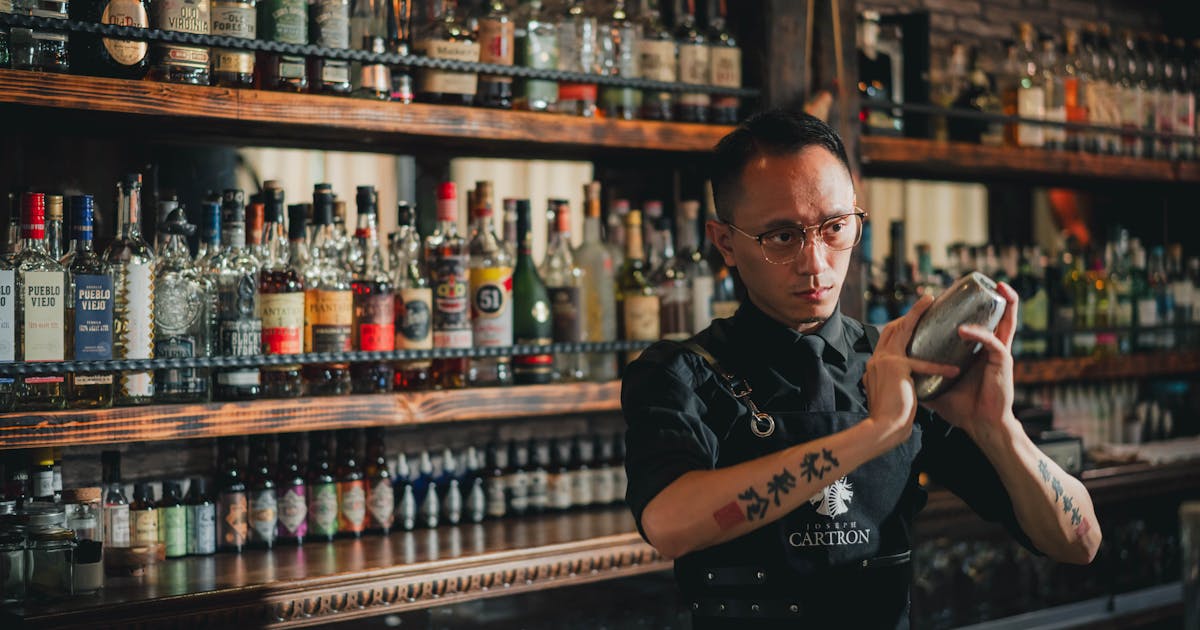
Discover the growing trend of sober bars and what it means for aspiring bartenders and hospitality professionals.
The Non-Alcoholic Revolution Is Here
Not long ago, a guest who didn't want alcohol was handed a Shirley Temple or a glass of soda water and politely ignored. That era is over. Non-alcoholic and low-ABV beverages have become one of the fastest-growing segments in the bar industry, driven by a genuine shift in how a significant portion of the population thinks about drinking.
For bartenders, this shift is not a threat — it is an opportunity. The skills required to make outstanding zero-proof cocktails are real bartending skills: understanding flavor balance, working with acid and sweetness, building complexity through layered ingredients, and presenting drinks with the same care and intention you bring to a spirit-forward classic.
This guide covers the business case, the core techniques, specific recipes, and how to build a balanced non-alcoholic menu.
The Business Case for Zero-Proof Options
Before diving into technique, consider the numbers. Industry research consistently shows that:
- Roughly 20–30% of bar guests are either not drinking alcohol on a given visit, reducing their consumption, or actively seeking non-alcoholic options
- Tables that include non-drinkers often select venues based on whether those guests will be well-served
- Non-alcoholic cocktails priced at $10–$14 carry strong margins when built thoughtfully, since the ingredient cost is typically lower than a spirit-based equivalent
A bar that offers two or three genuinely excellent zero-proof options keeps every guest engaged and increases the overall spend of tables that include non-drinkers. A bar that offers only soda water loses those guests entirely.
Core Zero-Proof Techniques
Shrubs and Drinking Vinegars
A shrub is a syrup made from fruit, sugar, and vinegar. The vinegar provides a complex, layered acidity that differs from the sharp brightness of citrus juice. Shrubs simulate the bite and finish of a spirit-based cocktail by adding depth and a long, dry aftertaste.
Basic shrub formula:
- 1 cup fresh or frozen fruit (by weight)
- 1 cup sugar
- 1 cup apple cider vinegar
Combine fruit and sugar, let macerate for 24–48 hours until the sugar draws out the fruit's juice, then add vinegar and stir to dissolve. Strain and bottle. Keeps refrigerated for 2–3 months.
Application: A tablespoon of raspberry shrub in sparkling water over ice, with a lime wheel, is a genuinely refreshing zero-proof drink that costs almost nothing to make and tastes like it required effort.
Non-Alcoholic Spirits
The NA spirits category has matured significantly. Products now exist that convincingly replicate the botanical complexity of gin, the warmth of whiskey, and the herbaceous character of amaro — without the ethanol.
Key NA spirit categories:
- NA gin alternatives — Built on botanicals (juniper, coriander, citrus peel) without distillation with alcohol. Use exactly as you would gin in a Negroni or a G&T riff.
- NA whiskey alternatives — Typically grain-forward with added vanilla and oak character. Work best in stirred, spirit-forward builds.
- NA aperitivi — Bitter, herbal, and citrusy. Excellent in spritz formats.
When evaluating NA spirits, the key question is: does this add complexity, or does it just add sweetness? Many lower-quality NA spirits compensate for the lack of alcohol by loading up on sugar. Taste critically.
Complex Syrups
Simple syrup (1:1 sugar to water) is a starting point. The goal in zero-proof mixology is to build layers of flavor, and complex syrups are one of the most efficient tools.
Syrups worth having behind a zero-proof bar:
- Honey-ginger syrup (2 parts honey, 1 part water, 2 inches fresh ginger, simmered 10 minutes and strained) — warm, spicy, floral
- Cardamom syrup (standard simple syrup with 8–10 lightly crushed cardamom pods, steeped while warm) — aromatic, slightly resinous, works with citrus and stone fruit
- Tamarind syrup (tamarind paste dissolved in warm water, strained, sweetened) — deeply sour, fruity, slightly tannic
- Hibiscus syrup (dried hibiscus flowers steeped in hot simple syrup) — tart, floral, brilliant ruby color
Zero-Proof Recipes
Garden Spritz
Light, floral, crowd-pleasing
- 1.5 oz cucumber juice (fresh-pressed or commercially available)
- 0.75 oz elderflower cordial
- 0.5 oz fresh lime juice
- 2 oz sparkling water
- Garnish: cucumber ribbon, fresh mint
Method: Combine cucumber juice, elderflower, and lime in a shaker with ice. Shake briefly and strain into a wine glass over ice. Top with sparkling water. Garnish.
Smoke and Spice (NA Whiskey Sour Riff)
Warming, complex, appropriate for whiskey drinkers
- 2 oz NA whiskey alternative
- 0.75 oz honey-ginger syrup
- 0.75 oz fresh lemon juice
- 1 egg white (or aquafaba for vegan)
- 2 dashes smoked bitters (alcohol content is negligible)
Method: Dry shake all ingredients vigorously without ice for 15 seconds to build foam. Add ice, shake again for 10 seconds, double-strain into a chilled coupe. No garnish needed — the foam is the presentation.
Hibiscus Cooler
Vibrant, refreshing, visually striking
- 1.5 oz hibiscus syrup
- 0.75 oz fresh lime juice
- 0.25 oz tamarind syrup
- 3 oz sparkling water
- Garnish: dehydrated lime wheel
Method: Build over ice in a tall glass. Stir gently to combine. Garnish.
Building a Balanced Non-Alcoholic Menu
A well-designed zero-proof menu mirrors the structure of your full cocktail menu: light and refreshing options, complex and spirit-forward options, and something visually striking.
A balanced four-item NA menu might include:
- A spritz or highball — light, sparkling, easy to drink in multiples
- A sour — showing off acid balance and technique (foam if appropriate)
- A stirred complex drink — for guests who want something spirit-forward without the alcohol
- A seasonal or signature item — something that changes regularly and gives guests a reason to come back
Keep descriptions on the menu direct and appetizing. Avoid using "mocktail" — the word implies a lesser version of something. Call them what they are: cocktails, or simply list them alongside the rest of your drinks.
Mastering Every Guest's Experience
The best bartenders make every guest feel equally considered — the bourbon drinker and the person on a cleanse both deserve a thoughtfully crafted drink. At ABC Bartending College, our curriculum prepares students to work across all categories of beverage service, including the growing world of zero-proof mixology. Find a program near you and build the complete skill set the modern bar industry demands.