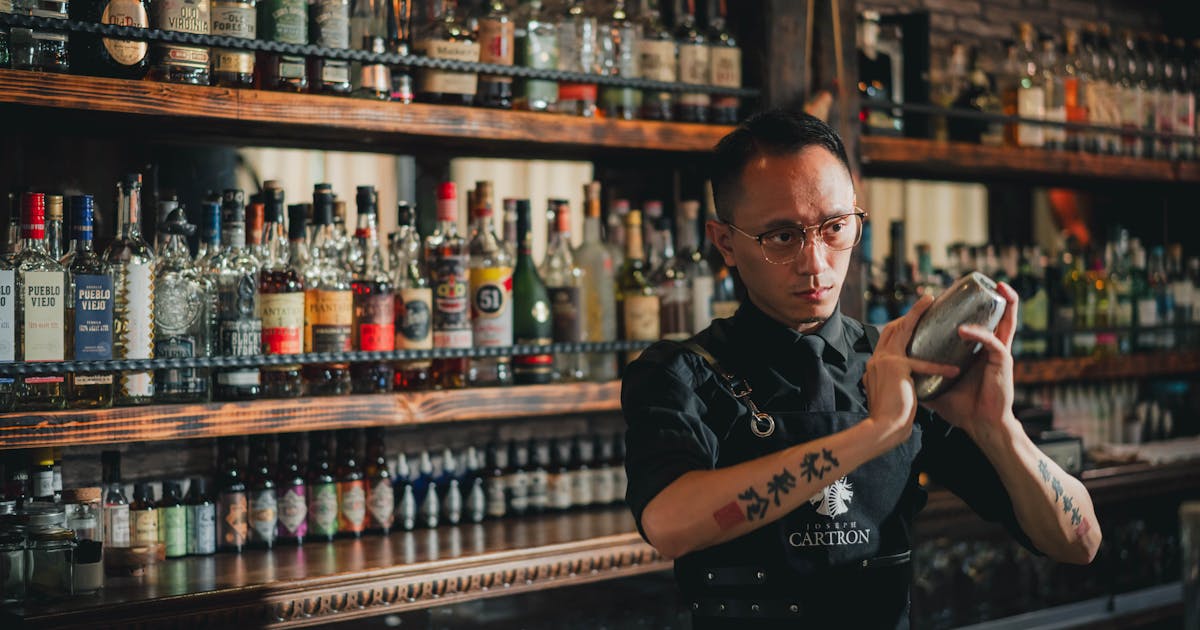
Discover how Lighthouse, a Williamsburg restaurant, has become the go-to hangout for bartenders and industry professionals.
The Myth of the Lone Bartender
There is a romantic image of the solo bartender — the quietly confident professional who knows everything, serves everyone, and needs no one. That image sells well on television. In real life, the most successful, most resilient, and most skilled bartenders are the ones who are deeply embedded in their professional community.
The bar industry is simultaneously competitive and collaborative. The same bartenders who compete in the same cocktail competitions also share recipes, troubleshoot menu development together, and cover each other's shifts when things go sideways. Understanding this dynamic — and learning to participate in it — is one of the most important skills you can develop alongside your technical training.
What the Research (and Experience) Tells Us
Bartending is one of the most high-stress service professions. Long hours, late nights, difficult guests, physically demanding work, and erratic schedules create conditions where burnout is common. Industry surveys consistently show that isolation is a major contributing factor — bartenders who feel disconnected from peers and from a larger sense of purpose are more likely to leave the industry.
The antidote is not simply "work less." It is connection. Bartenders who have strong professional relationships — mentors, peers, a regular community of colleagues — show higher rates of career longevity and report greater job satisfaction, even when their working conditions are objectively similar to those who burn out.
The Three Layers of Bar Industry Community
Think of your professional community as having three concentric layers, each one offering something different.
Layer 1: Your Immediate Team
The bartenders, barbacks, servers, and managers you work with daily are your first line of community. This layer is about trust and mutual support. A team that communicates well — that gives honest feedback about drinks, covers for each other during rushes, and decompresses together after hard nights — functions at a higher level than one that operates in silos.
How to build it:
- Show up early and help with prep, even when it's not required
- Ask colleagues how they would approach a difficult drink or a difficult guest
- Share knowledge freely — a recipe you've perfected, a technique you've learned
- Celebrate each other's wins without keeping score
Layer 2: Your Local Industry Network
Every city with a bar scene has a network of bartenders who move between venues, attend the same events, and share information about what's happening in the industry locally. Getting into this network early in your career pays long-term dividends.
How to build it:
- Attend industry nights and bar takeovers as a guest
- Introduce yourself to bartenders when you visit bars you admire — ask genuine questions, not just for free drinks
- Join local bartending organizations or guilds
- Participate in tasting events hosted by spirits distributors
Local distributors are an underrated networking resource. They visit dozens of bars, know who is hiring, and regularly host education sessions. Building a respectful relationship with your local reps opens doors.
Layer 3: The National and International Community
The broader cocktail world — competition circuits, spirits festivals, online communities, trade publications — constitutes the third layer. Most new bartenders won't interact with this layer immediately, but understanding it exists and working toward it matters.
How to engage:
- Follow the work of bartenders you admire, noting their techniques and career trajectories
- Enter regional cocktail competitions, even before you feel fully ready
- Subscribe to industry trade publications and newsletters
- Build a professional social media presence that documents your work thoughtfully
Mentorship: The Accelerant
One relationship that deserves special attention is mentorship. Having an experienced bartender who takes an active interest in your development compresses the learning curve dramatically.
A mentor is not just someone who teaches you how to make drinks. A good mentor:
- Gives honest feedback on your weaknesses without undermining your confidence
- Introduces you to their network and vouches for your character
- Shares what they wish they had known earlier in their career
- Models sustainable professional habits — how they manage their schedule, how they handle difficult situations, how they continue learning
Finding a mentor is not always formal. Often it begins organically: you work alongside someone you admire, you show up with a good attitude and genuine curiosity, and over time a mentorship relationship develops naturally. If you want to be more deliberate about it, you can simply ask: "I've learned a lot watching you work. Would you be open to answering some questions about your career?" Most experienced bartenders are willing to help someone who shows genuine dedication.
Industry Events: More Than a Party
Spirits festivals, trade shows, and bar industry conferences might look like parties from the outside. For working professionals, they are concentrated education and networking opportunities.
At these events you can:
- Taste hundreds of spirits in a structured setting and develop your palate rapidly
- Meet the distillers and brand ambassadors who can become long-term industry contacts
- Attend seminars on technique, business development, and bar management
- Hear what the most respected professionals in the industry are thinking about
Make the most of these events by going in with a plan. Identify 3–5 seminars or producers you want to prioritize. Take notes. Follow up with people you meet.
Preventing Burnout Through Connection
The bar industry's burnout rate is not inevitable — it is the product of isolation, poor boundaries, and a culture that has historically glorified overwork. Community addresses the isolation piece directly.
When you are embedded in a supportive professional network:
- You have people to call when you're having a hard week
- You hear about better opportunities before they're posted publicly
- You feel part of something larger than your individual shift
- You maintain perspective on your career arc instead of being consumed by day-to-day stress
Start Building Your Community Before You Graduate
The best time to start building professional relationships is before you're looking for your first job. At ABC Bartending College, students benefit not just from hands-on training but from the professional connections that come with it. Our network of graduates and industry contacts gives new students a head start on the most valuable asset in this industry: knowing the right people.
Find a program near you and start building the career — and the community — you want.