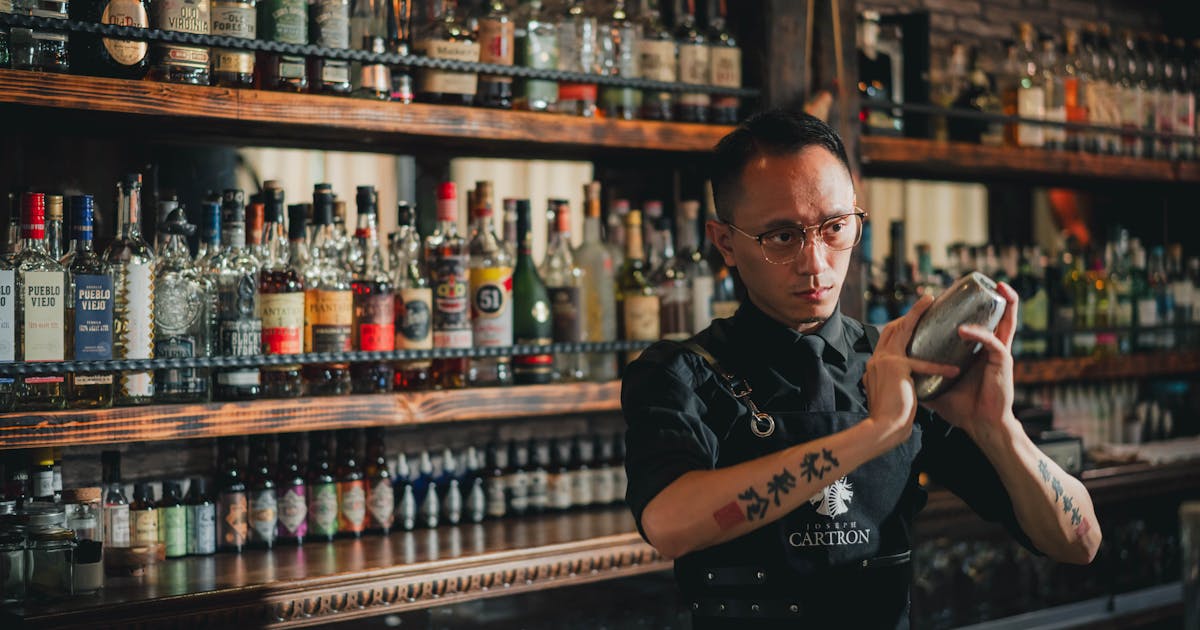
Discover the most popular liqueurs in bartending history and how they rose to fame. From Galliano to Licor 43, we explore the trends that shaped the industry.
The world of bartending is constantly evolving, with new trends and flavors emerging all the time. But have you ever wondered how some liqueurs became so popular, while others fell out of favor? In this article, we'll take a journey through the history of bartending's favorite liqueurs and explore the trends that shaped the industry.
The Sweet and Fruity Era (1960s-1980s)
The 1960s and 1970s saw the rise of sweet and fruity liqueurs, with Galliano and Midori leading the charge. Galliano, an Italian herbal liqueur, was first introduced to the US in the early 1900s but gained popularity in the 1970s with the creation of the Harvey Wallbanger cocktail. Midori, a Japanese melon liqueur, made its US debut in 1978 and quickly became a staple in many bars.
Peach Schnapps and Apple Schnapps also gained popularity during this era, with bartenders using them to create sweet and fruity cocktails like the Fuzzy Navel and Appletini.
The Bitter and Herbal Era (2000s-present)
In the 2000s, the industry saw a shift towards bitter and herbal liqueurs, with Fernet-Branca and Aperol leading the way. Fernet-Branca, an Italian digestif, was first introduced in the US in the 1860s but gained popularity among bartenders in the early 2000s. Aperol, an Italian bitter liqueur, was introduced to the US in 2006 and quickly became a staple in many bars.
St-Germain, a French elderflower liqueur, also gained popularity during this era, with bartenders using it to create complex and nuanced cocktails.
The Current Trends (2020s)
In recent years, we've seen a rise in popularity of coffee liqueurs, with Mr Black and Licor 43 leading the charge. Mr Black, a cold brew coffee liqueur, was launched in 2013 and quickly became a favorite among bartenders. Licor 43, a Spanish liqueur, gained popularity in 2023 with the rise of the Carajillo cocktail.
What This Means for Bartenders
So, what can bartenders take away from this history lesson? Here are a few insights:
- Stay ahead of the curve: Keep an eye on emerging trends and flavors, and be willing to experiment with new ingredients.
- Understand the classics: Know the history behind classic cocktails and liqueurs, and be able to explain them to customers.
- Balance sweet and bitter: Learn to balance sweet and bitter flavors in your cocktails to create complex and nuanced drinks.
- Experiment with new ingredients: Don't be afraid to try new ingredients and flavor combinations to create unique cocktails.
Whether you're just starting out in the industry or are a seasoned bartender, understanding the history of bartending's favorite liqueurs can help you create innovative cocktails and stay ahead of the curve. Consider enrolling in one of our [[bartending programs|/programs]] to learn more about the art of mixology and start your bartending career today.
[[Find a location near you|/locations]] and start your bartending journey!
Further Reading
- [[Cocktail Recipes|/recipes]]: Explore our collection of cocktail recipes and get inspired by the classics.
- [[Free Guides|/guides]]: Download our free guides to learn more about bartending techniques and industry trends.
- [[Salary Calculator|/careers]]: Calculate your potential salary as a bartender and start planning your career.
About this article: This bartender-focused analysis was curated from industry news sources by ABC Bartending College using AI assistance. We synthesize and translate hospitality industry reporting for bartenders and aspiring professionals. See sources below for original reporting.

Original Reporting
This article is based on reporting from the following source: