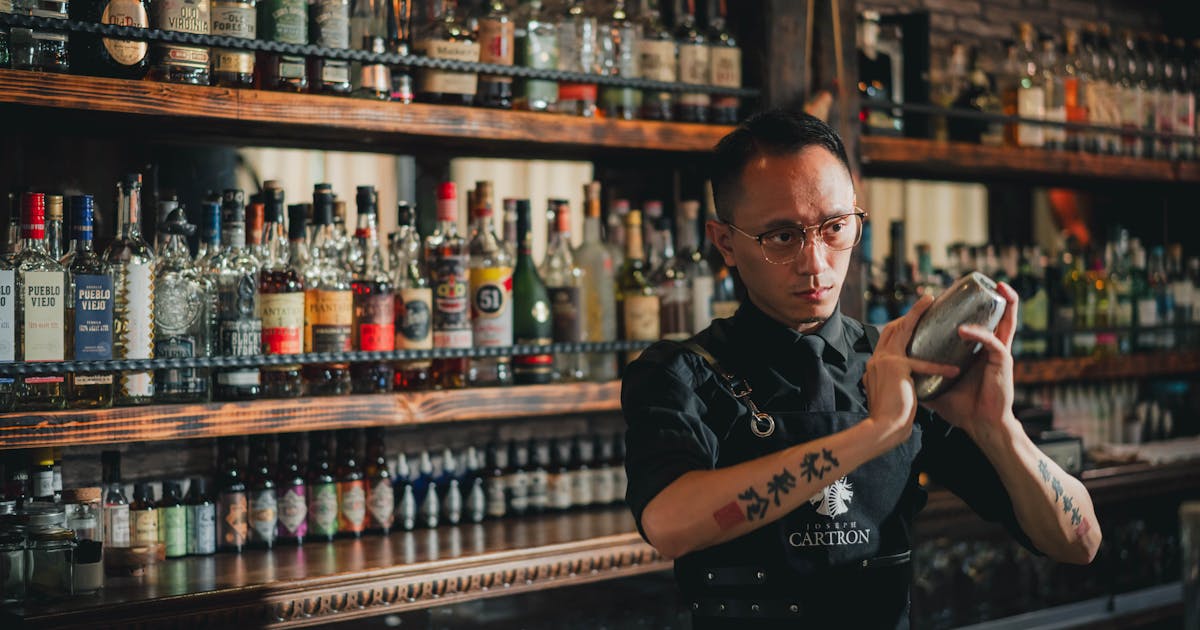
Discover the most popular liqueurs in bartending history and how they rose to fame. From Galliano to Licor 43, we explore the trends that shaped the industry.
Liqueurs: The Bartender's Most Flexible Tool
If spirits are the foundation of a cocktail and citrus is the structure, liqueurs are the seasoning. They add sweetness, complexity, and depth in ways that no other category can replicate. A well-stocked liqueur shelf gives a skilled bartender enormous creative range -- and an under-stocked one limits your ability to build balanced, interesting drinks.
Understanding liqueurs is not optional for serious bartenders. It is a core competency. This guide walks through the major categories, the essential bottles to know, the classic cocktails that showcase each one, and how to make smart recommendations to guests.
Category 1: Herbal and Bitter Liqueurs
These are among the most complex and historically significant liqueurs. They are made by macerating herbs, roots, bark, and botanicals in neutral spirit, then sweetening the result.
Key bottles to know:
- Chartreuse (Green and Yellow): French, made by monks, the recipe is one of the most closely guarded secrets in spirits. Green is intensely herbal and high-proof; Yellow is gentler and sweeter.
- Benedictine: Honey and herb, with 27 plant ingredients. Essential for a Vieux Carre.
- Campari: Italian, bracingly bitter with orange and herb notes. The cornerstone of the Negroni.
- Aperol: Gentler and lower-ABV than Campari, with orange and rhubarb. One of the best-selling cocktail bases globally.
- Amaro (category): Italian bitter liqueurs ranging from light (Amaro Montenegro) to intensely bitter (Fernet-Branca). Know at least three styles.
Classic cocktails: Negroni, Last Word, Paper Plane, Black Manhattan, Jungle Bird
Guest recommendation tip: For guests who say they like complex or not-too-sweet drinks, herbal and bitter liqueurs are your first move.
Category 2: Fruit Liqueurs
Fruit liqueurs use maceration, distillation, or infusion to capture the flavor of specific fruits. They range from the intensely familiar to the genuinely exotic.
Key bottles to know:
- Triple Sec and Cointreau: Orange liqueurs, essential in Margaritas, Sidecars, and Cosmopolitans. Cointreau is the benchmark; Grand Marnier is a richer, cognac-based alternative.
- Maraschino: Cherry-based, dry and nutty, not sweet like cocktail cherries. Essential for Hemingway Daiquiris and Aviations.
- Chambord: Black raspberry, rich and fruity. Widely used in French Martinis and crowd-pleasing cocktails.
- St. Germain: Elderflower liqueur, floral and delicate. Works with almost everything.
- Creme de Cassis: Black currant. The base for a Kir Royale.
Classic cocktails: Margarita, Sidecar, Cosmopolitan, Hemingway Daiquiri, Aviation, French Martini, Kir Royale
Guest recommendation tip: Fruit liqueurs are your bridge to guests who want something fruity but not too sweet. Frame them as flavor-enhancers, not sweeteners.
Category 3: Cream Liqueurs
Cream liqueurs combine dairy cream with spirit and flavorings. They are shelf-stable through emulsification and have a limited but enthusiastic audience.
Key bottles to know:
- Baileys Irish Cream: The category benchmark. Whiskey and cream. Essential for Mudslides, Irish coffee enhancements, and dessert cocktails.
- RumChata: Horchata-inspired cream liqueur. Cinnamon-forward and extremely mixable for brunch cocktails.
Classic cocktails: Mudslide, White Russian, Bushwacker, Nutty Irishman
Service note: Cream liqueurs should never be combined with high-acid mixers (citrus juice, certain sodas) without testing first -- the acid can curdle the dairy, resulting in an undrinkable, broken cocktail.
Category 4: Nut and Seed Liqueurs
This category offers rich, warm flavors that work particularly well with aged spirits and dessert applications.
Key bottles to know:
- Amaretto: Almond-flavored (some made from apricot pits, which produce a similar flavor). Essential for Amaretto Sours and a wide range of dessert cocktails.
- Frangelico: Hazelnut. Pairs beautifully with chocolate and coffee flavors.
- Nocino: Italian walnut liqueur, deeply complex and slightly bitter. Less common but increasingly found on serious bar programs.
Classic cocktails: Amaretto Sour, Toasted Almond, Godfather, Nutty Professor
Guest recommendation tip: Guests who order dessert cocktails or gravitate toward warm, sweet flavors are ideal candidates for nut liqueur suggestions.
Category 5: Coffee and Chocolate Liqueurs
These liqueurs occupy the dessert end of the spectrum and are indispensable for after-dinner cocktail programs.
Key bottles to know:
- Kahlua: The most recognized coffee liqueur globally. Heavier, sweeter, and lower-ABV.
- Tia Maria: Coffee liqueur with Jamaican rum base and vanilla. Brighter and more nuanced than Kahlua.
- Mr. Black: Australian cold-brew coffee liqueur, less sweet, higher proof, more coffee-forward. A premium alternative.
- Creme de Cacao (Dark and White): Chocolate liqueur in two expressions. White is less familiar but essential for certain classic recipes.
Classic cocktails: Espresso Martini, White Russian, Mudslide, Brandy Alexander, Grasshopper
Guest recommendation tip: Coffee liqueurs are one of the easiest upsell opportunities -- guests who want something not too boozy after dinner often land here.
Making Smart Recommendations
When a guest does not know what they want, your ability to recommend a liqueur-based drink quickly and confidently separates a good bartender from a great one. Use this framework:
- Ask about flavor preferences -- sweet, fruity, bitter, creamy, or spirit-forward?
- Identify the occasion -- is this a first drink, an after-dinner drink, or a special occasion?
- Offer two options -- give them a choice, not a dissertation. Compare two drinks briefly and ask which sounds better.
Build Your Back Bar Knowledge
Understanding liqueurs takes time, but the investment pays off immediately. Every bottle you know well is another tool in your repertoire, another option for a guest, another dimension of your bartending skill.
At ABC Bartending College, our programs cover the full spectrum of bar products -- spirits, liqueurs, wine, and beer -- so you graduate with the knowledge to work confidently behind any bar. Find a location near you and get started.