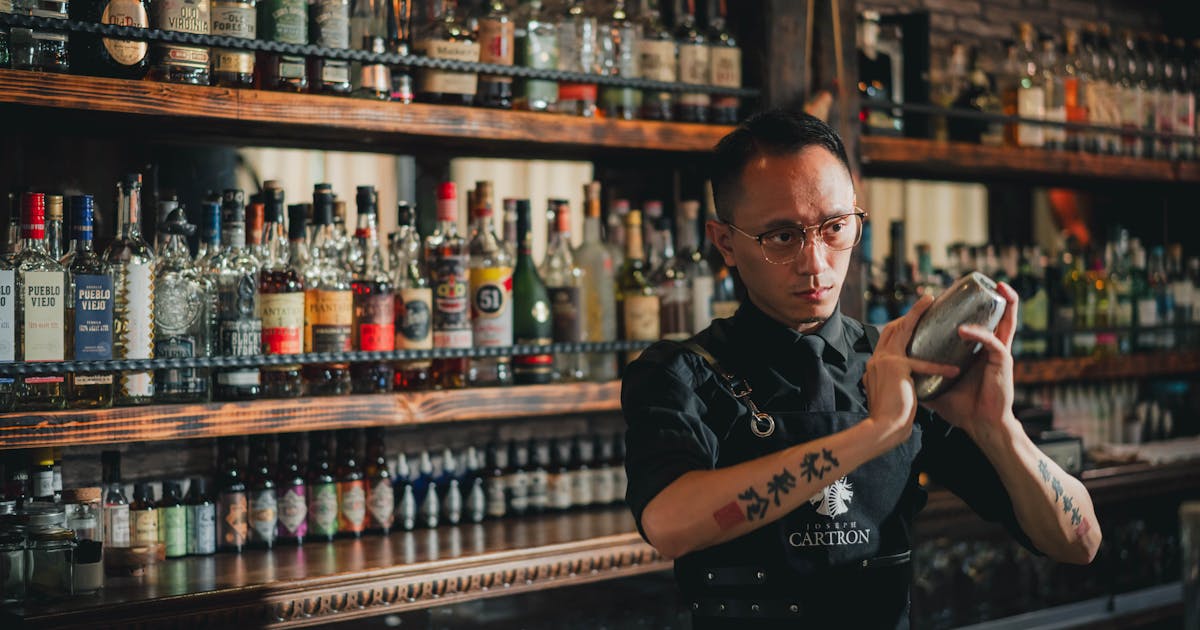
Explore the best bars and restaurants in San Juan, Puerto Rico, and learn how to bring the island's vibrant spirit to your own bartending career.
The Caribbean Roots of Modern Mixology
Puerto Rico occupies a unique place in the world of cocktails — not merely as a tropical destination, but as the birthplace of some of the most influential spirits and drinks in bar culture. For any bartender serious about their craft, understanding Puerto Rican rum and the broader Caribbean cocktail tradition is essential knowledge.
A Brief History of Puerto Rican Rum
Rum production in Puerto Rico dates back to the 17th century, when Spanish colonizers established sugar cane plantations across the island. Molasses, a byproduct of sugar refining, became the raw material for a spirit that would eventually circle the globe.
What sets Puerto Rican rum apart is its regulatory framework. The island's rum standards mandate a minimum aging period and strict production guidelines, resulting in a characteristically smooth, light-bodied style. This lighter profile made Puerto Rican rum the backbone of countless classic cocktails and a staple behind every professional bar.
By the 20th century, Puerto Rican distilleries had grown into some of the largest spirit producers in the world. The island's rum became synonymous with accessibility — approachable enough for casual drinkers, yet complex enough to reward the curious palate.
Signature Cocktails Every Bartender Must Know
The Piña Colada
Created in San Juan in 1954, the Piña Colada is arguably Puerto Rico's most famous export. The classic recipe calls for white rum, coconut cream, and fresh pineapple juice blended or shaken with ice. Behind the bar, mastering the Piña Colada means understanding balance — the sweetness of coconut cream against the acidity of pineapple, and how different rum styles change the drink's character. A split base using both white and aged rum adds depth without overwhelming the tropical profile.
Coquito
Often called Puerto Rican eggnog, Coquito is a holiday staple made with coconut milk, sweetened condensed milk, white rum, and warm spices like cinnamon and clove. While it's seasonal by tradition, bartenders who understand Coquito can adapt its flavor profile year-round — building coconut-spice cocktails that speak to guests looking for something familiar yet distinctive.
Ron del Barrilito
This small-batch aged rum is one of Puerto Rico's most celebrated spirits. Aged in American oak barrels for years, it develops notes of dried fruit, vanilla, tobacco, and warm baking spice. When you serve this to a guest, you're presenting a product with centuries of craft behind it. It belongs in your premium rum rotation alongside aged expressions from Barbados, Jamaica, and Martinique.
Tropical Ingredients and How to Work With Them
Caribbean cocktail culture introduced tropical ingredients that have since become global bar staples. Here is how to use them with confidence:
- Fresh pineapple juice: More acidic and aromatic than canned. Use a juicer and strain well. It brightens rum drinks and pairs beautifully with mezcal and tequila.
- Coconut cream vs. coconut milk: Cream is thick and sweet, ideal for Piña Coladas and dessert cocktails. Milk is thinner and less sweet — better for subtle tropical notes without heaviness.
- Passion fruit: Adds tartness and floral aromatics. Use as a modifier in daiquiri variations or as a float for visual impact.
- Guava: Earthy-sweet with a floral finish. Pairs well with aged rum, cachaça, and even tequila blanco.
- Tamarind: Sour, complex, and distinctly tropical. Used in Mexican-Caribbean crossover cocktails and excellent in spiced rim preparations.
Caribbean Influence on Modern Mixology
The influence of Caribbean spirits extends well beyond tiki bars. Contemporary bartenders are drawing on Caribbean flavor profiles to build modern menus with genuine cultural depth:
- Overproof rum is used in small doses as a float or aromatic accent, adding intensity without dominating.
- Agricole rum, made from fresh sugarcane juice rather than molasses, brings grassy, vegetal notes that pair with fresh herb cocktails — think rhum agricole mojitos or Ti' Punch riffs.
- Falernum and allspice dram, both rooted in Caribbean tradition, are finding their way into amaro-style menus and stirred cocktails.
Understanding these ingredients gives you the vocabulary to build original cocktails and speak intelligently with guests who are exploring rum beyond the basics.
Practical Tips for Behind the Bar
- Stock at least three rum expressions: A light Puerto Rican style, an aged Barbadian or Jamaican, and an agricole or overproof for mixing and accents.
- Learn the dilution needs of tropical cocktails: Many are served over crushed ice or blended, which changes your approach to pre-batching and balance.
- Tell the story: Guests who order rum cocktails often want to know more. A brief, confident note about the spirit's origin elevates the experience.
- Practice the Daiquiri: It is the benchmark rum cocktail. Perfect your ratio (2 oz rum, 3/4 oz lime, 3/4 oz simple syrup) before you experiment.
Start Your Bartending Education with ABC Bartending College
At ABC Bartending College, our curriculum includes comprehensive spirit education covering rum, tropical ingredients, and Caribbean cocktail traditions. Whether you're starting from scratch or expanding your existing knowledge, our programs give you the hands-on training and theoretical foundation to work confidently with any spirit category. Find a location near you and take the first step toward a professional bartending career.