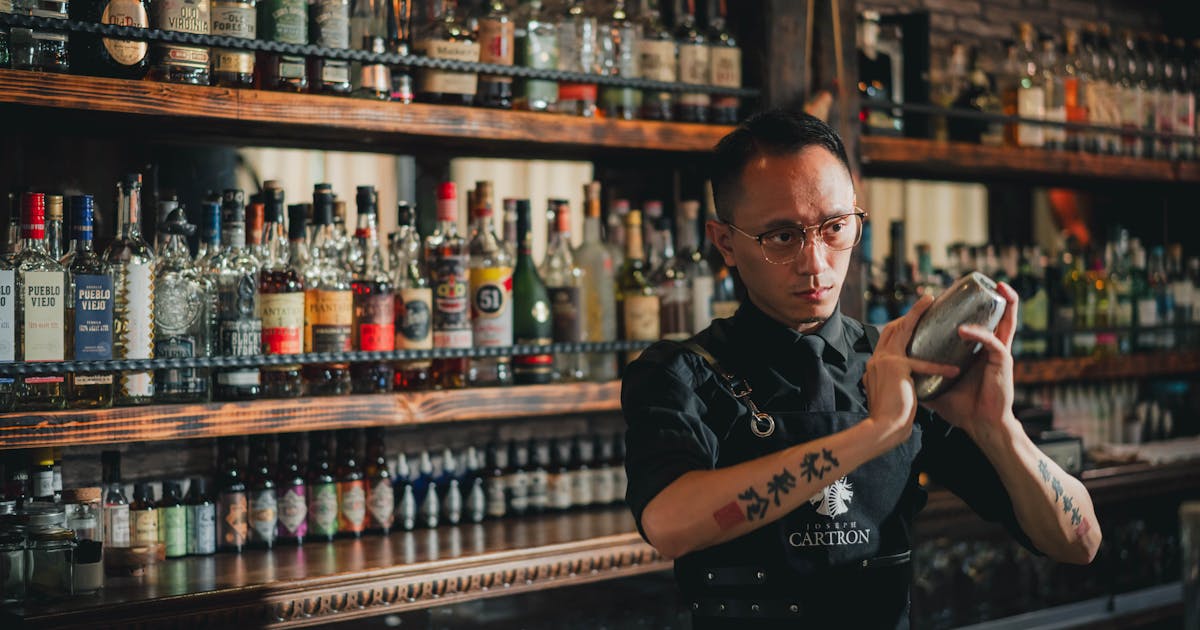
Discover the latest trend in bar design and how it's changing the way we experience hospitality. Learn what it means for bartenders and the industry as a whole.
Your Environment Is Not Neutral
Walk into a dimly lit room with low ceilings and deep leather booths and you immediately slow down. Your voice drops, your posture relaxes, and you order something sippable. Walk into a space with bright overhead lighting, tall communal tables, and uptempo music and you feel energized -- and you probably order faster, stay shorter, and tip on the way out.
Bar design is not decoration. It is a set of decisions that shape how guests feel, how long they stay, what they order, and how they interact with the bar and with each other. As a bartender, understanding your environment helps you calibrate your service style, anticipate guest behavior, and adapt when the room is not working in your favor.
Layout Types and What They Mean for Service
The Traditional Bar Rail
The classic long bar with stools running along one side is designed for interaction. Guests face the bartender, conversation is natural, and the bar becomes a social gathering point rather than just a service counter. This layout rewards bartenders who can hold multiple conversations simultaneously, remember faces and preferences, and create a sense of community.
Service consideration: The rail invites lingering. Guests at a traditional bar stay longer, order more, and tip based on relationship quality. Your personal presence matters more here than in any other layout.
The Lounge Format
Low seating, small tables, and minimal bar stools characterize the lounge. Guests are served at their seats, not at the bar. The bar itself may be less visible or positioned against a wall. This format creates a sense of intimacy and exclusivity.
Service consideration: Speed matters less, experience matters more. Cocktail presentation, table side service, and knowledge of the menu become primary. Guests in lounge settings are typically spending more per head and expect a higher level of attention.
Communal and High-Table Formats
Long communal tables, standing height surfaces, and open space encourage strangers to mingle. This format is popular in breweries, casual cocktail bars, and concept venues. It is designed to create spontaneous social interaction.
Service consideration: Groups mix and match unpredictably. Tab management becomes more complex. Guests move around. Your ability to keep track of multiple open tabs and stay organized under active, shifting conditions is tested here.
The Nightclub Format
The bar is a service station, not a gathering point. Guests approach, order quickly, and return to the main floor. Eye contact, read speed, and efficient transactions replace extended conversation as the primary service skill.
Service consideration: Everything discussed in high-volume bartending applies here. Your station setup, pre-batching, and non-verbal communication with guests replace verbal interaction as the primary communication channel.
How Lighting Affects Service Pace
Lighting is the single most powerful environmental variable in a bar. It affects mood, perceived time, and spending behavior.
Bright lighting signals efficiency and speed. Guests eat and drink faster under bright lights. Fast-casual bars, daytime brunch spots, and high-volume environments use brighter lighting intentionally.
Dim, warm lighting encourages relaxation and slower consumption. Guests stay longer, order more rounds over a longer period, and are more receptive to menu exploration and bartender recommendations.
Candlelight or point-source lighting creates an intimate, focused atmosphere that supports premium spending. Guests feel like they are in a private space even in a full room.
Practical implication for bartenders: In dimly lit spaces, your verbal cues and communication skills matter more because guests cannot read your expressions as easily. In bright spaces, you can work faster and rely on visual signals.
Music: Tempo, Volume, and the Service Rhythm
Music does not just set a mood -- it physically affects how fast people move, drink, and make decisions.
Faster tempo music (above 120 BPM) accelerates decision-making and increases order frequency. It is standard in clubs and high-energy bars for exactly this reason.
Slower tempo music (below 80 BPM) encourages guests to linger, spend more time with menus, and engage in more complex decision-making -- which creates space for bartender recommendations.
Volume level affects communication and service pace. Louder music shortens the time guests will spend ordering because conversations become effortful. Bars with loud music should have streamlined, memorable menus with fewer options.
Practical implication for bartenders: When music volume rises significantly during a shift, simplify your communication. Focus on your three to four most popular drinks. Use visual confirmation to confirm orders.
Adapting Your Service to the Venue Concept
Every bar has a concept -- a combination of design, menu, lighting, music, and culture that defines what it is. Your job as a bartender is to serve that concept, not to impose your personal service style on it.
At a cocktail-forward speakeasy: Slow down. Know the menu inside out. Be prepared to explain every ingredient. Presentation matters.
At a neighborhood sports bar: Be fast, be friendly, be consistent. The conversation is about the game. Your role is supportive, not central.
At a hotel bar: Expect a wide range of guest types -- travelers, business drinkers, couples, tourists. Flexibility and cultural awareness are assets. Know your classic cocktails and be ready for anything.
At a high-volume club: Efficiency is everything. Your product knowledge still matters -- know what to recommend when someone asks -- but speed and order accuracy are your primary metrics.
Design Is a Conversation You Are Part Of
The best bartenders work with their environment rather than against it. They understand why the lights are low, why the music is at this volume, why the chairs are this height. They use those cues to read what guests need before the guests ask.
This kind of environmental intelligence is what separates good bartenders from great ones -- and it is part of what we teach at ABC Bartending College. Our programs cover not just technique and product knowledge, but the professional context that helps you thrive in any bar environment. Find a location near you and get started.