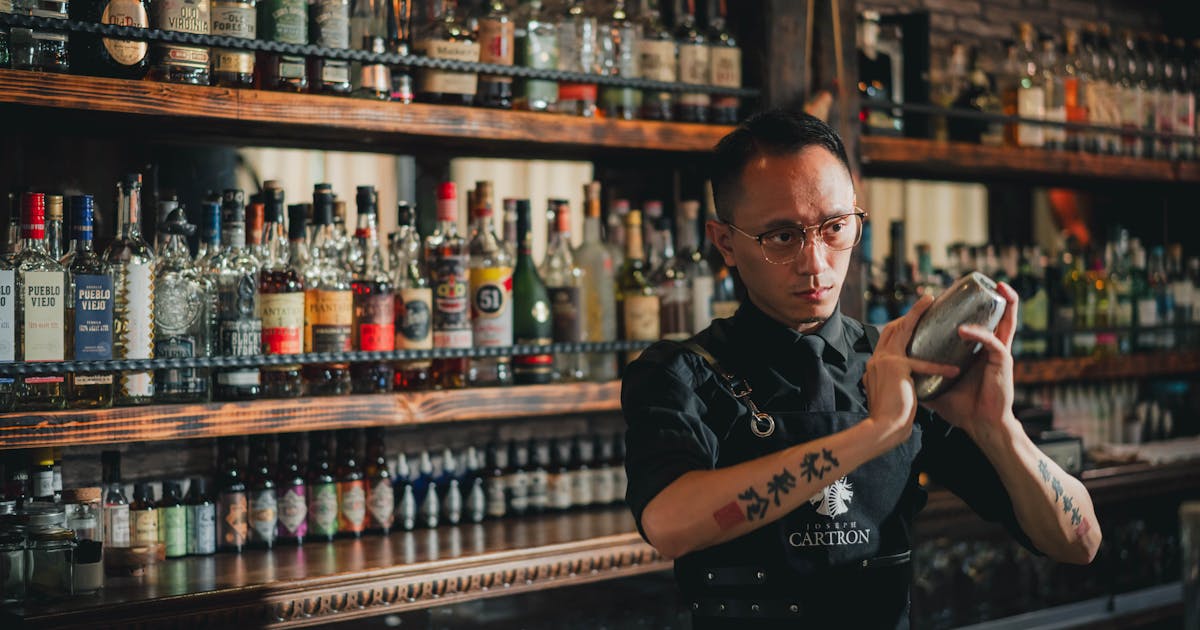
Discover the most difficult nights of the year to work as a bartender, from St. Patrick's Day to New Year's Eve, and learn how to navigate these challenges.
The Nights That Separate Good Bartenders from Great Ones
Every bartender has a mental list of the nights they dread: New Year's Eve, Valentine's Day, St. Patrick's Day, Super Bowl Sunday, the night before Thanksgiving. These nights are when the bar fills to capacity, the ticket printer never stops, and every decision you make either builds or collapses your service.
What separates bartenders who thrive on these nights from those who barely survive them is not talent alone — it is preparation, strategy, and the mental framework to manage chaos without losing composure.
This guide is a practical toolkit for high-volume service.
Pre-Shift Preparation: The Work That Happens Before the Rush
The single most important thing you can do for a busy night happens hours before the first guest arrives. Pre-shift prep is not glamorous, but it is the foundation of efficient service.
Stock and Setup Checklist
Ice: You will use more ice than you think. On a high-volume night, ice supply is one of the most common failure points. Confirm your ice machine is running and bins are full before service. If you have ice bags available, keep them in reserve.
Garnishes: Pre-cut everything. On a normal night, cutting a citrus wheel to order is fine. On a busy night, it creates a bottleneck. Pre-cut limes, lemons, and oranges into your standard garnish shapes and store in labeled containers with covers.
Speed rail: Confirm your speed rail is stocked, organized, and accessible. Reorganize it if the previous shift left it in an arrangement that doesn't suit your flow. Your hands should reach for the correct bottle without looking.
Syrups and mixers: Top off every syrup bottle. Running out of simple syrup mid-rush because the bottle was at 20% going into service is preventable.
Glassware: Polish and stage more glassware than you think you need, positioned where you can grab it without turning around or crossing the bar.
Back bar: Know where everything is. On a slow night you can search for the crème de menthe. On a busy night you cannot.
Build a Mental Menu
On exceptionally busy nights, your menu temporarily becomes shorter. Know in advance which 8–10 drinks you can make in under 45 seconds and which ones require 2 minutes of careful attention. During the hardest moments, the goal is to batch the fast drinks while spacing out the complex ones.
Speed Techniques During Service
The Batch Mindset
Batching is making multiple identical orders simultaneously. If three guests order the same drink, make all three at once: measure once, combine into a shaker or pitcher, divide into glasses. This is faster than making them sequentially and produces more consistent results.
Build Drinks in Parallel
While one drink is shaking, you should be building the next. Ice the next glass, measure the next spirit, garnish the finished drink — none of these steps require you to stand and watch a shaker. Learn to move sequentially through overlapping tasks.
Prioritize and Communicate
If you are working with a barback, establish clear communication protocols before service begins: who restocks ice, who runs glassware, who handles trash. If you are working alone, triage by drink complexity — take the simple orders first to reduce queue length, then tackle the complex ones.
Managing Intoxicated Guests
High-volume nights bring a higher concentration of intoxicated guests. How you handle these situations is one of the most important professional skills a bartender develops.
Early Recognition
The best intervention happens before a guest is visibly impaired. Watch for early indicators: slurred speech, loss of coordination, emotional volatility, over-ordering, or becoming aggressive toward other guests. Early intervention is easier and safer than late intervention.
The Cut-Off Conversation
Refusing service to an intoxicated guest is a legal obligation in most states, not just a judgment call. When you need to cut someone off:
- Be matter-of-fact, not confrontational: "I'm going to stop serving you alcohol tonight. Can I get you a water or something to eat?"
- Avoid arguing or explaining at length — impaired guests cannot process complex reasoning
- Involve a manager if the guest becomes aggressive
- Never leave an intoxicated guest alone outside — if you're concerned for their safety, call for a ride or involve staff
This is not a hospitality failure. Responsible service is part of the job, and most guests (when sober) respect bartenders who exercise it consistently.
The Holiday-by-Holiday Checklist
Each major high-volume night has its own specific challenges:
New Year's Eve
- Pre-batch your Champagne-based cocktails where possible
- Have Champagne and sparkling wine pre-chilled and staged
- Prepare extra garnishes for the midnight rush
- Confirm your POS system is handling tabs correctly — people run long tabs on NYE
St. Patrick's Day
- Expect heavy beer volume alongside spirits; confirm kegs are full and lines are clean
- Irish whiskey and Irish cream are your fastest movers — front-load them in the speed rail
- Have food service coordinated with the kitchen; food slows absorption and reduces impairment incidents
Valentine's Day
- This is a date night — expect couples focused on the experience, not just the drinks
- Presentation matters more than speed on this night; take the extra 10 seconds for the garnish
- Prepare to explain your cocktail menu — people are often ordering something new
Super Bowl Sunday
- Beer-heavy, high-tab night
- Pre-batch pitchers of popular beer cocktails or punches if your bar allows it
- Food timing coordination with the kitchen is essential — guests are watching and eating simultaneously
Thanksgiving Eve ("Blackout Wednesday")
- The highest-volume single bar night of the year in many markets
- This is a reunion night — expect groups, long tabs, and emotional guests
- Staffing ratio matters enormously; if you are short-staffed, this is the night to escalate concerns to management in advance
Self-Care During and After High-Volume Service
A 10-hour New Year's Eve shift is physically demanding in a way that a regular shift is not. Taking care of yourself is professional practice, not weakness.
- Eat before service. A bartender working on an empty stomach makes worse decisions and tires faster.
- Hydrate continuously. Keep a water bottle behind the bar and drink from it between rushes.
- Wear appropriate footwear. Anti-fatigue mats and supportive shoes are tools, not luxuries.
- Decompress after the shift. High-volume nights leave many bartenders wired for hours after closing. Have a decompression routine — a walk, a meal, anything that creates transition.
Build the Skills to Handle Anything
The best preparation for a high-volume night is the foundation you build over time: knowing your drinks cold, moving efficiently, and maintaining composure under pressure. At ABC Bartending College, we train students in realistic, high-paced environments so that your first busy night feels like practice, not a crisis. Find a program near you.