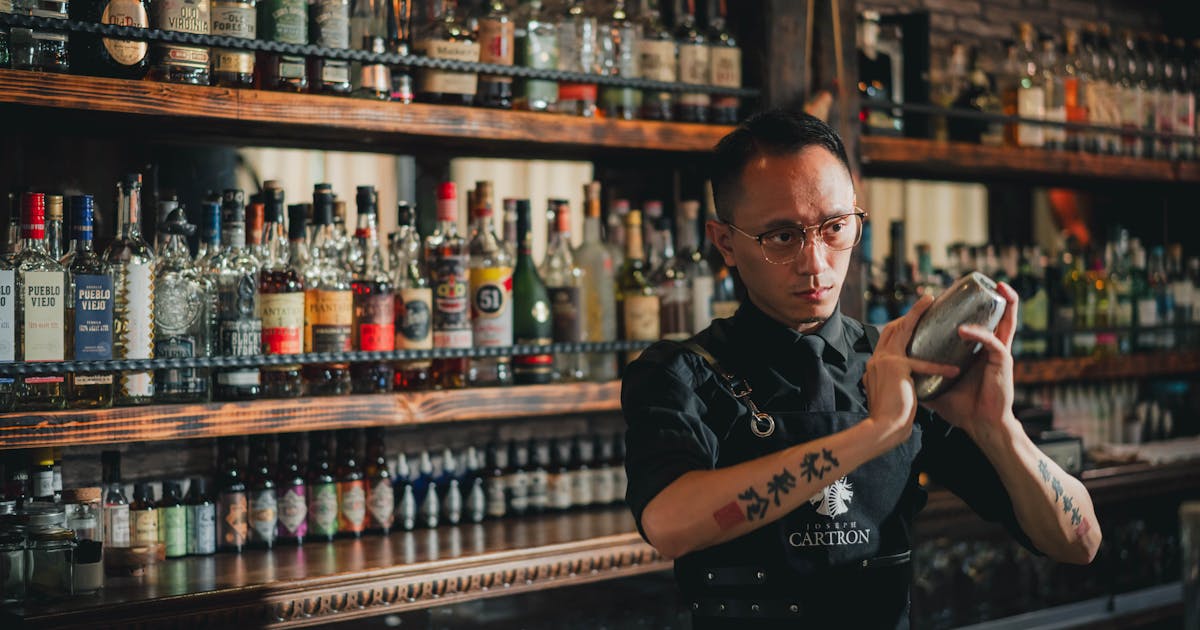
Get the latest on the upcoming Halfway to Tales event, a day of education and community building for bartenders and hospitality professionals.
Bartending School Is the Beginning, Not the End
Graduating from bartending school means you have the foundation. You know the classic cocktails, you understand spirits categories, you can execute standard techniques, and you can manage a bar station under pressure. That foundation is real and it matters.
But the bar industry rewards continuous learning. The bartenders who build the most interesting and durable careers are the ones who treat every year as a new opportunity to deepen their knowledge — of spirits, of flavor, of hospitality, of business.
Here is a practical guide to continuing your education after bartending school, from free resources available immediately to formal programs that can reshape your career trajectory.
Industry Events: Learn from the Best in Real Time
Industry events — spirits festivals, trade seminars, and bar shows — are some of the most efficient continuing education available. In a single day, you can taste dozens of spirits in structured settings, attend masterclasses taught by working professionals, and have conversations with the distillers and brand ambassadors who represent the products you use daily.
How to find and make the most of events:
Regional spirits festivals happen in most major cities annually. Many offer trade days with free or reduced entry for industry professionals — you will typically need to show a bartending certificate or pay stub from a bar to qualify.
Distributor tastings happen constantly and are almost always free. Your local spirits distributors host regular educational sessions, new product launches, and portfolio tastings. Get on their lists by introducing yourself and asking to be included.
Bar shows and trade expos (such as regional hospitality expos and bar industry conferences) combine education, product launches, and large-scale networking. These are worth attending once you have a year or more of experience and can maximize the value of the networking component.
Tip: Go to events with specific learning goals. If you want to improve your whiskey knowledge, prioritize whiskey seminars and American whiskey distillers. Unfocused attendance is exhausting and less effective than targeted learning.
Competitions: The Fastest Way to Get Better
Entering cocktail competitions is uncomfortable. It is also one of the most effective professional development tools available to bartenders.
Competitions force you to:
- Develop an original cocktail from scratch, with a concept and narrative
- Practice precise technique under time pressure
- Receive feedback from experienced judges
- See how other bartenders approach the same challenge
You do not need to win to benefit. Even placing in the middle of a regional competition teaches you more about your craft than months of regular bar shifts. The preparation process alone — developing a recipe, refining it through dozens of iterations, learning to articulate why you made every decision — is transformative.
Types of competitions to consider:
- Brand-sponsored competitions — Many spirits brands run annual competitions open to any licensed bartender. These are excellent entry points with structured formats and feedback
- Regional cocktail competitions — Local bartending guilds and industry organizations often run city-level competitions that are less intense than national events and more accessible to newer professionals
- Charity competitions — Lower-stakes events that still require recipe development and build your competitive experience
Certifications: Adding Credentials to Your Resume
Formal certifications in spirits and wine add objective credentials to your professional profile and signal to employers that you invest in your craft.
Key certifications for bartenders:
WSET (Wine and Spirit Education Trust) — The gold standard for spirits education. Level 1 is accessible and affordable; Levels 2 and 3 require more commitment but open doors to sommelier roles, brand ambassador positions, and consulting work.
CMS (Court of Master Sommeliers) — Primarily focused on wine, but the Introductory and Certified Sommelier levels cover spirits and are highly respected in fine dining settings.
Bar Smarts — An industry-specific certification program developed in partnership with major spirits companies. It covers spirits, beer, wine, and cocktail fundamentals at a practical bar level.
Cicerone Certification Program — If you work in craft beer-focused venues, the Certified Beer Server and Cicerone levels provide credible credentials and deep product knowledge.
Mentorship Programs: Structured Guidance
While informal mentorship (building relationships with colleagues you admire) happens organically, several organizations offer structured mentorship programs that match newer bartenders with established industry professionals.
The value of a structured program over an informal relationship is accountability and access — you are connected with a mentor outside your immediate network, which expands your perspective and introduces you to approaches you might not encounter in your regular work environment.
Look for mentorship programs through:
- Local bartending guilds and hospitality associations
- Spirits brand education programs, which often include mentorship components
- Restaurant and bar industry trade organizations in your city
Online Resources: Learning Between Shifts
The quality of free and low-cost online bartending education has improved substantially. Between shifts, during downtime, or on days off, the following types of resources are worth your time:
Spirits brand education portals — Most major spirits companies maintain free online education programs covering their products and categories in depth. These are accessible, practical, and free.
Cocktail and spirits YouTube channels — Channels dedicated to cocktail technique, spirits production, and bar management offer high-quality visual learning that is particularly useful for technical skills.
Industry trade publications and newsletters — Following the professional conversation in the industry keeps you aware of trends, business developments, and new products before they appear on your distributors' lists.
Flavor science resources — Books and courses on food and flavor science (written for chefs but applicable to bartenders) deepen your understanding of why flavor combinations work and how to design original cocktails more intentionally.
Building a 12-Month Learning Plan
After completing bartending school, consider structuring your first year of continued education deliberately:
- Months 1–3: Focus on building comfort and speed on the job. Sign up for one distributor tasting per month.
- Months 4–6: Begin studying for a spirits certification at Level 1.
- Months 7–9: Research local or regional competitions and begin developing a signature cocktail for submission.
- Months 10–12: Attend one industry event or trade day; connect with a potential mentor.
This pace is sustainable alongside full-time work and builds meaningful progress without overwhelming yourself.
The Career You Build Is Yours to Design
Bartending is one of the few careers where the ceiling is genuinely high — brand ambassador, bar director, beverage consultant, spirits importer, educator — but reaching those levels requires intentional professional development, not just showing up for shifts.
ABC Bartending College prepares students with the foundational skills and the professional mindset to build lasting careers. Explore our programs to find a school near you and start on a career path worth continuing for a lifetime.