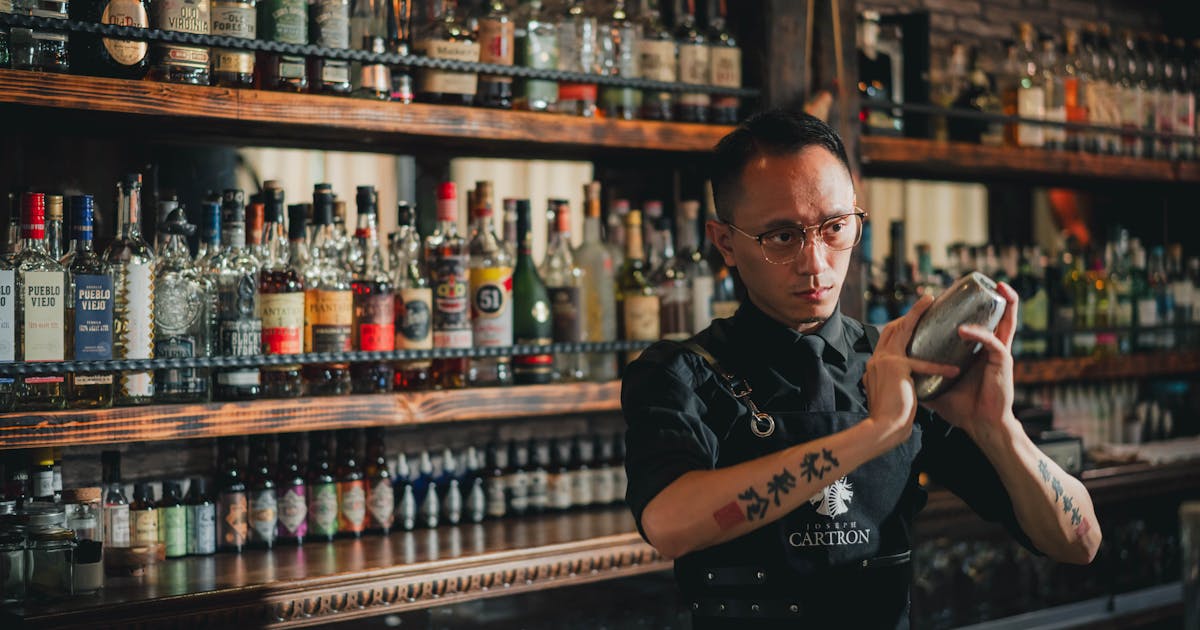
Is trade etiquette dying in the bartending industry? We explore the impact of COVID-19, social media, and changing industry dynamics on bartender behavior.
Bar Etiquette 101: The Professional Standards Every New Bartender Must Know
When you start working behind the bar, you join a community with its own unwritten code of conduct. How you behave when visiting other establishments, how you treat fellow industry professionals, and how you carry yourself online all shape your reputation — sometimes before you pour your first drink on a new job.
Understanding professional standards is not just about politeness. It is about building a career on a foundation of mutual respect that will open doors for decades.
Visiting Other Bars as an Industry Professional
One of the first things new bartenders learn is that bars are smaller worlds than they appear. When you visit a bar as a fellow professional, a few simple habits make an enormous difference.
Announce yourself — but do it right. There is no need to flash credentials or name-drop your employer in the first breath. Settle in, order something, and let the conversation develop naturally. If it comes up, mention where you work. Keep it casual.
Tip generously. Industry professionals generally tip 20–25% as a baseline, often more for cocktails that require real effort. A meager tip from someone in the trade is noticed and remembered. A generous one builds goodwill across the entire community.
Do not walk in at last call expecting favors. Arriving right before close and expecting the bartender to engage at length is poor form. Timing your visits for slower midweek evenings shows genuine interest in connection rather than convenience.
Order thoughtfully. Asking for the bartender's recommendation, ordering a house specialty, or requesting something on the more complex side signals that you appreciate craft. It also opens the door to real conversation about technique.
Tipping Culture and Why It Matters
The hospitality industry runs on tips, and your participation in that system — even when you are the customer — reflects your values as a professional.
- Standard industry tip: 20% minimum, always
- For well-crafted cocktails: 25–30%
- For exceptional service or a long hospitality conversation: More, plus a genuine verbal acknowledgment
Tipping well is not just generosity — it is solidarity. It signals that you understand the economics of the trade and respect the labor that goes into quality service.
The Mentorship Mindset
The bartending industry has a strong tradition of learning from those who came before. If you are new, seek out experienced bartenders with humility. Ask thoughtful questions during downtime, not during a rush. Offer to shadow during training shifts. Listen more than you speak.
If you are further along in your career, invest in new talent. The industry grows stronger when knowledge flows freely. Recommending a former colleague for a position, taking time to explain technique, or offering a word of encouragement to someone just starting out — these habits define great industry professionals.
Mentorship is not a transaction. You will not always get something back immediately. But the relationships you build by showing up generously will shape your entire career.
Social Media Dos and Don'ts
Your online presence is now part of your professional identity, whether you intend it to be or not.
Do:
- Share your work — original cocktail recipes, event photos, creative projects
- Tag venues and brands appropriately when relevant
- Engage with the broader bar community authentically
Do not:
- Post complaints about coworkers, management, or guests — ever
- Share information about celebrity or VIP guests at your venue
- Trash-talk competitors or other establishments
- Post anything from behind the bar that your employer would not approve
A useful rule of thumb: if you would not say it out loud at a staff meeting, do not post it. Your social media is often the first thing a future employer will search.
The Hospitality Mindset: Service as a Craft
At its core, professional bar etiquette comes down to a single idea: you are in the hospitality business. That means your job is not just to make drinks — it is to make people feel genuinely welcome.
This mindset extends beyond your own bar. How you behave at a competitor's venue, how you treat a distributor's rep, how you respond when a guest at another establishment asks you for a recommendation — all of it adds up to your professional character.
Hospitality is not performative. Guests and colleagues alike can tell the difference between someone going through the motions and someone who genuinely cares. The bartenders who build long, successful careers are almost always the ones who bring authentic warmth to every interaction, on both sides of the bar.
Professional standards are taught — they do not appear automatically. At ABC Bartending College, our programs go beyond recipes and technique to cover the real-world professional skills that make bartenders stand out. If you are ready to build a career in hospitality the right way, find the location nearest you and take the first step.