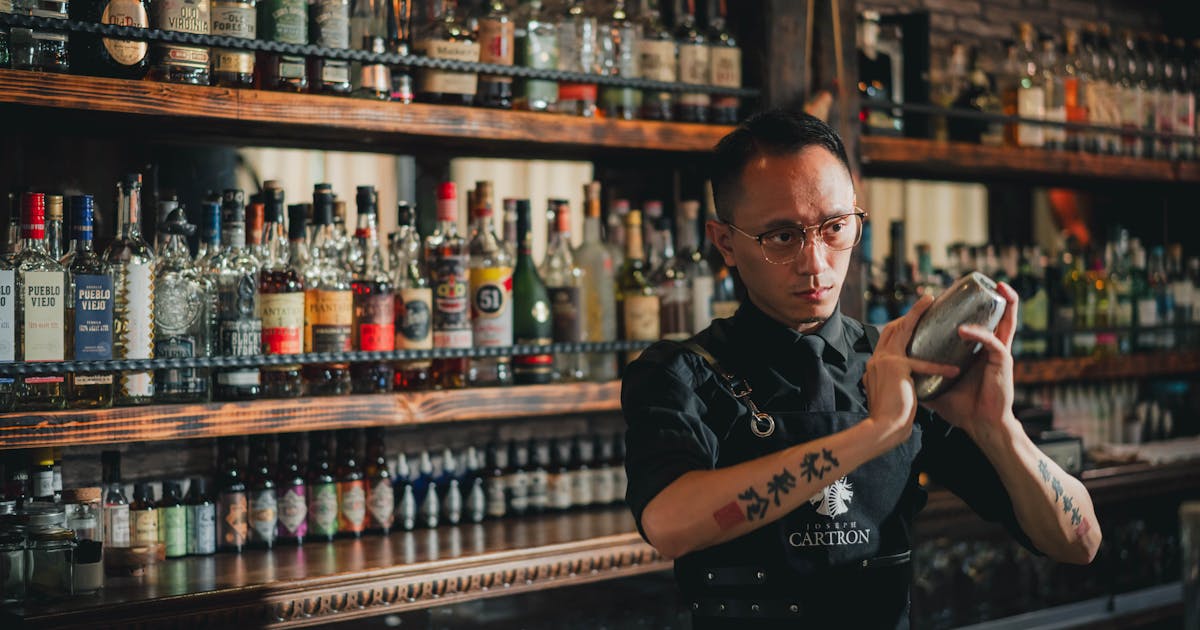
Explore the top bars and restaurants in Charleston, South Carolina, and learn how to bring a taste of the city's nightlife to your own bartending career.
4 Skills Every Great Bar Gets Right (and How to Develop Them)
Walk into a bar that has it right and you know within minutes. The drinks are well-made, the atmosphere feels intentional, the staff operates as a team, and there is a sense that this place belongs to its neighborhood. Walk into one that is struggling and the inverse is equally obvious: the menu feels arbitrary, the service is inconsistent, the energy is flat.
What separates the two is not luck or location alone. It is a set of operational and creative competencies that great bar programs develop deliberately. Understanding these skills is essential preparation for any aspiring bartender who wants to work in -- and eventually help build -- exceptional programs.
1. Creative Menu Development
A bar menu is not just a list of drinks. It is a statement about what the program values and a tool for guiding guests through an experience. The bars with the most distinctive and durable menus approach the creative process with intention and rigor.
What goes into a well-developed menu:
Cohesive theme or concept. The best menus have a throughline -- a seasonal focus, a regional identity, a culinary philosophy, or a narrative concept that gives the whole list coherence. Individual drinks should feel like they belong on the same menu, not like a collection of unrelated ideas.
Balance of accessibility and discovery. A menu that leans entirely toward the familiar offers nothing new; one that is relentlessly obscure alienates most guests. The best menus sequence the experience: familiar entry points that lead, over time, toward more adventurous choices.
Rigorous tasting and refinement. Every drink on a professional menu has been made dozens of times, adjusted, debated, and approved by more than one palate. Developing this discipline -- subjecting your own ideas to honest critique and revision -- is one of the most important creative skills a bartender can build.
To develop this skill: Study menus from programs you admire. Analyze not just the recipes but the organization, the language, and the overall character. Practice writing drink concepts before executing them -- what is the flavor direction, the spirit base, the mood you are trying to create? Build the habit of tasting your own work critically before it reaches a guest.
2. Cohesive Atmosphere Design
The physical environment of a bar is inseparable from the drink experience. A perfectly executed cocktail in an incoherent, uncomfortable space does not land the same way it would in an environment that reinforces the same values.
Atmosphere is not just interior design -- it is the sum of music, lighting, glassware, garnish presentation, staff uniform, the language used on the menu, and the physical behavior of the team. Each element either contributes to or detracts from a coherent guest experience.
Key principles:
Light sets mood. Dim, warm lighting signals relaxation and occasion. Brighter environments signal energy and informality. Neither is better -- but they communicate different things and attract different guests. Know what mood your program is trying to create and make sure the lighting supports it.
Music is a design choice. Volume, genre, and tempo all affect how guests feel and how long they stay. The playlist is not background noise -- it is part of the product.
Consistency of presentation. From the glassware to the garnishes to the cocktail napkins, every visual detail either reinforces a coherent aesthetic or introduces noise. The bars that get this right have made deliberate choices at every level of detail.
To develop this skill: Train yourself to notice atmosphere as a professional observer. When you visit bars and restaurants, analyze the design choices: what is working, what is not, and why. Develop opinions about why certain environments feel unified and others do not.
3. Professional Collaboration
No bar operates on the strength of one person. The quality of the team, and the quality of relationships within it, determines what is possible at scale -- during a busy weekend service, a large private event, or a seasonal menu changeover.
What professional collaboration looks like in practice:
Mise en place as a shared responsibility. In high-functioning bar teams, setup is not each person doing their own thing -- it is a coordinated process where the workload is distributed efficiently and everyone knows what they are responsible for.
Communication during service. Calling out steps, confirming ticket counts, alerting colleagues to low stock -- these habits prevent errors and reduce stress. The verbal language of professional bar service is specific and efficient.
Supporting without being asked. Restocking ice for a colleague who is in the weeds, running a round to a table when the server is overloaded, refreshing a guest's water without being prompted -- these behaviors are the markers of someone who sees the whole picture rather than just their station.
To develop this skill: Approach every shift with the explicit goal of making your colleagues' work easier. Pay attention to where the friction is in service, and address it before someone has to ask.
4. Community Engagement
The bars with the deepest roots in their neighborhoods are the ones that have invested in the community beyond the physical walls of the building. This takes many forms: local sourcing partnerships, industry events, charitable involvement, and the way staff conduct themselves when they are not at work.
Community engagement builds loyalty that marketing cannot buy. A guest who has seen a bar represented at a neighborhood charity event, whose friend was employed there, or who has heard staff speak knowledgeably about local producers, already trusts the place before they walk in.
Practical dimensions of community engagement:
- Source from local producers and talk about them by name. A cocktail menu that credits a local distillery or farm creates a sense of shared purpose.
- Host industry events. Educational tastings, trade nights, and charity events build goodwill within the professional community and beyond it.
- Hire with intention. Bars that reflect the diversity and character of their neighborhood create a more authentic sense of belonging for their guests.
To develop this skill: Start cultivating relationships with local producers, distributors, and professionals now -- before you need them. Attend industry events. Participate in your professional community with generosity.
These four competencies -- creative menu development, cohesive atmosphere, professional collaboration, and community engagement -- are not taught in every bartending program. At ABC Bartending College, we prepare you not just to pour drinks but to understand and contribute to bar programs that are genuinely excellent. Find a school near you and start building the foundation for a career worth having.